

Santa Maria Maior
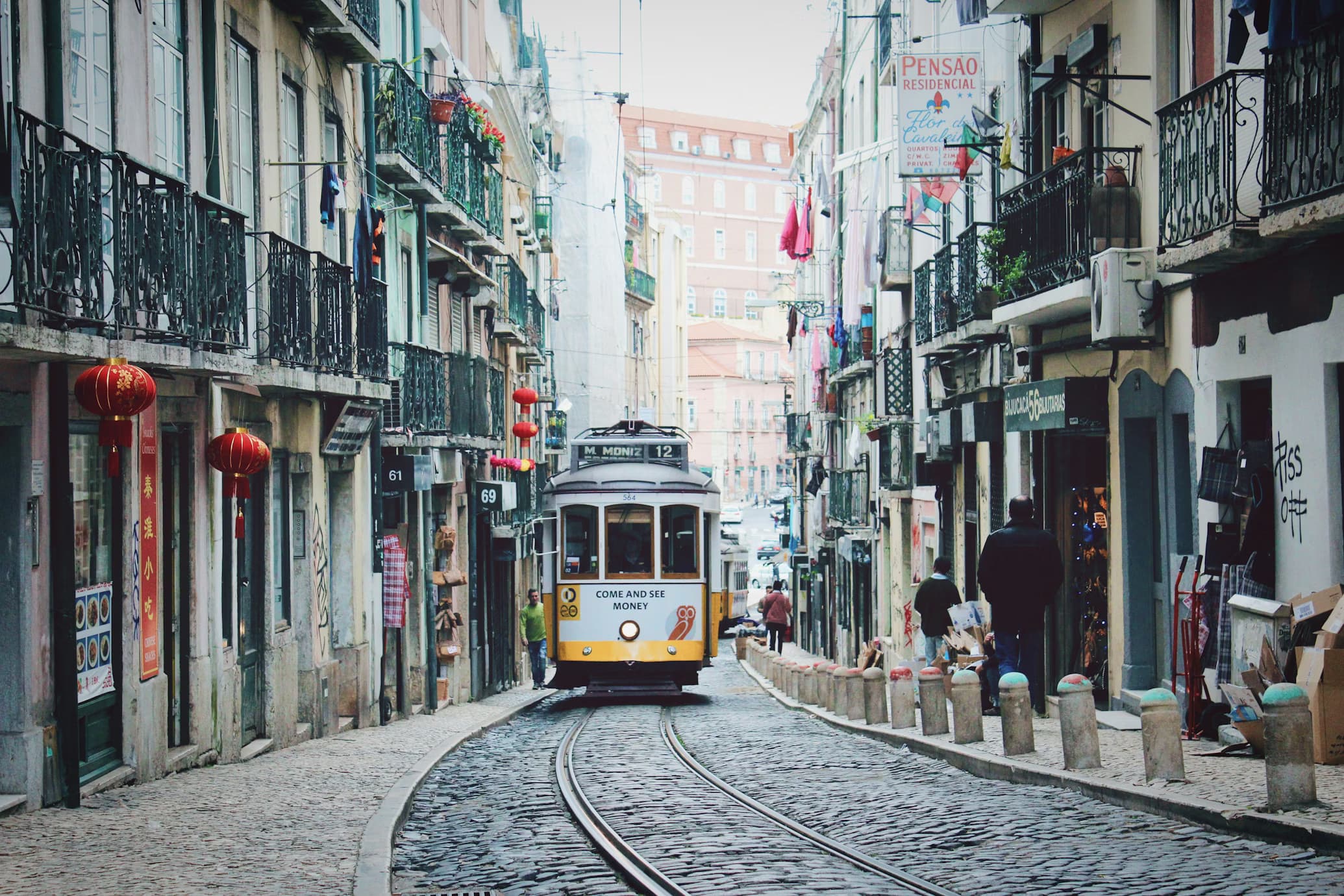
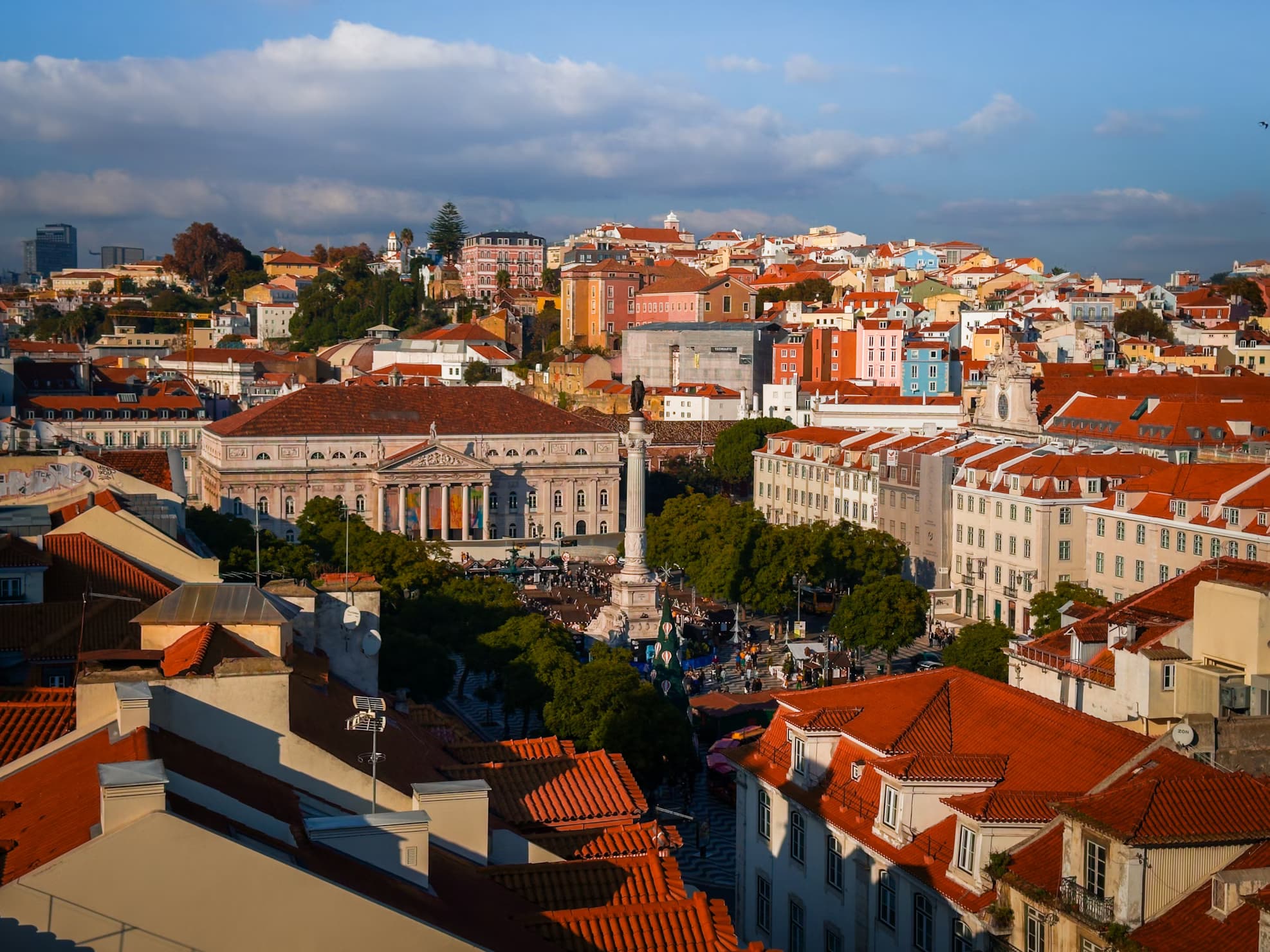
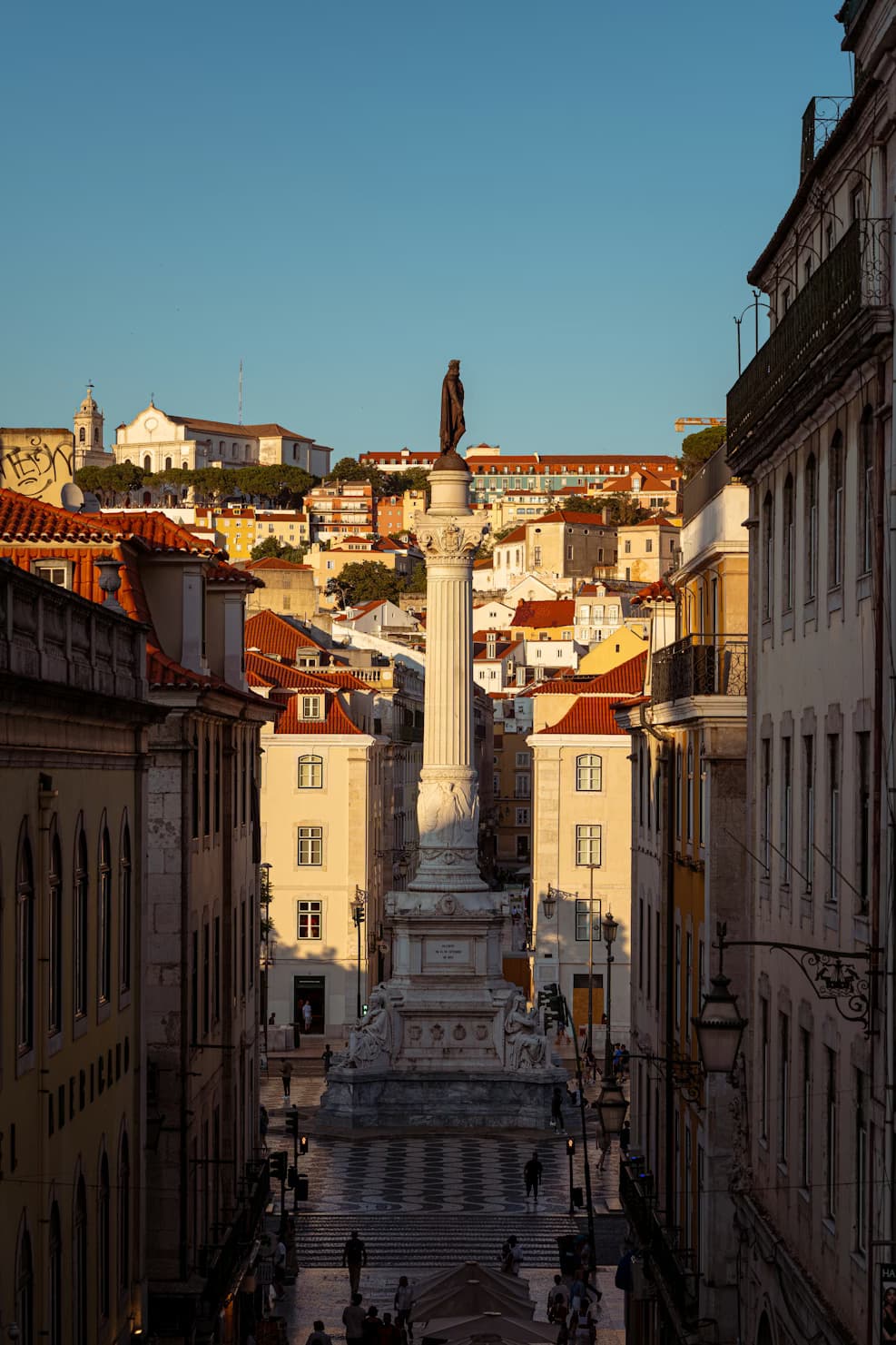
4 reviewsAlfama, Baixa, Castelo and Mouraria bring several contrasting layers of Lisbon’s oldest urban fabric into one area. Steep, irregular lanes around the hills meet Baixa’s ordered grid, while dense pre-m…
Enter an address or neighbourhood name to explore
Alfama, Baixa, Castelo and Mouraria bring several contrasting layers of Lisbon’s oldest urban fabric into one area. Steep, irregular lanes around the hills meet Baixa’s ordered grid, while dense pre-m…
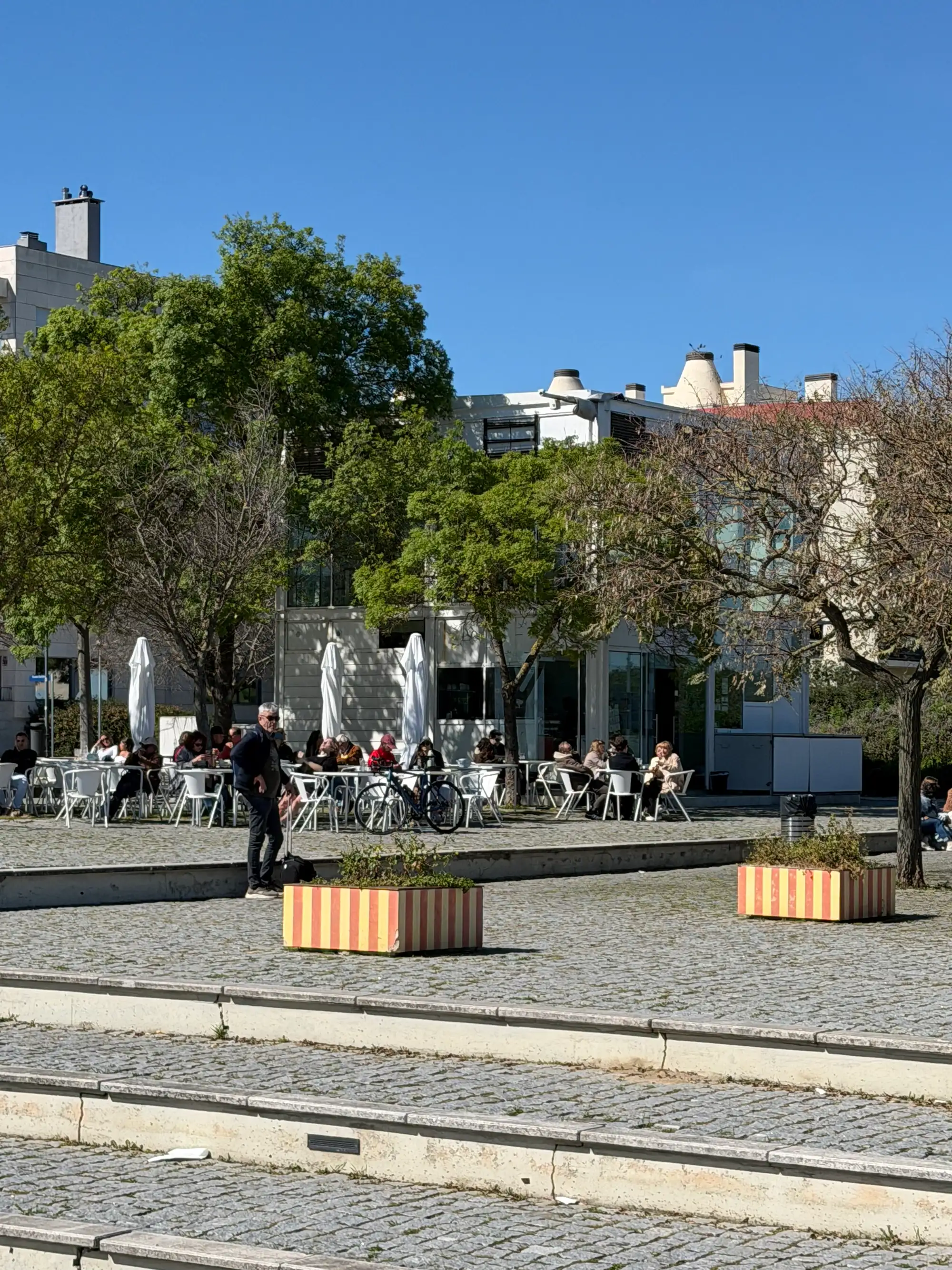
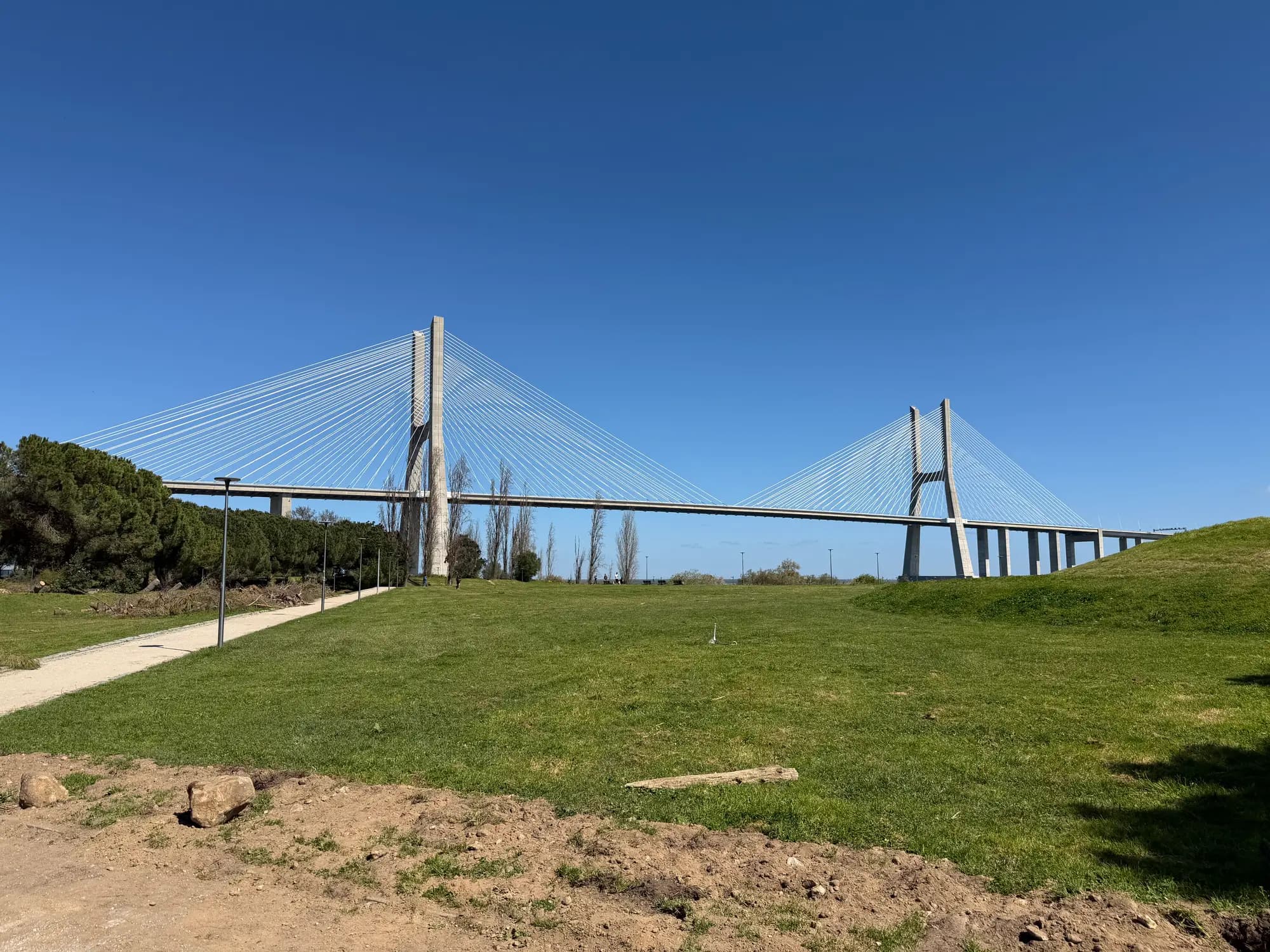
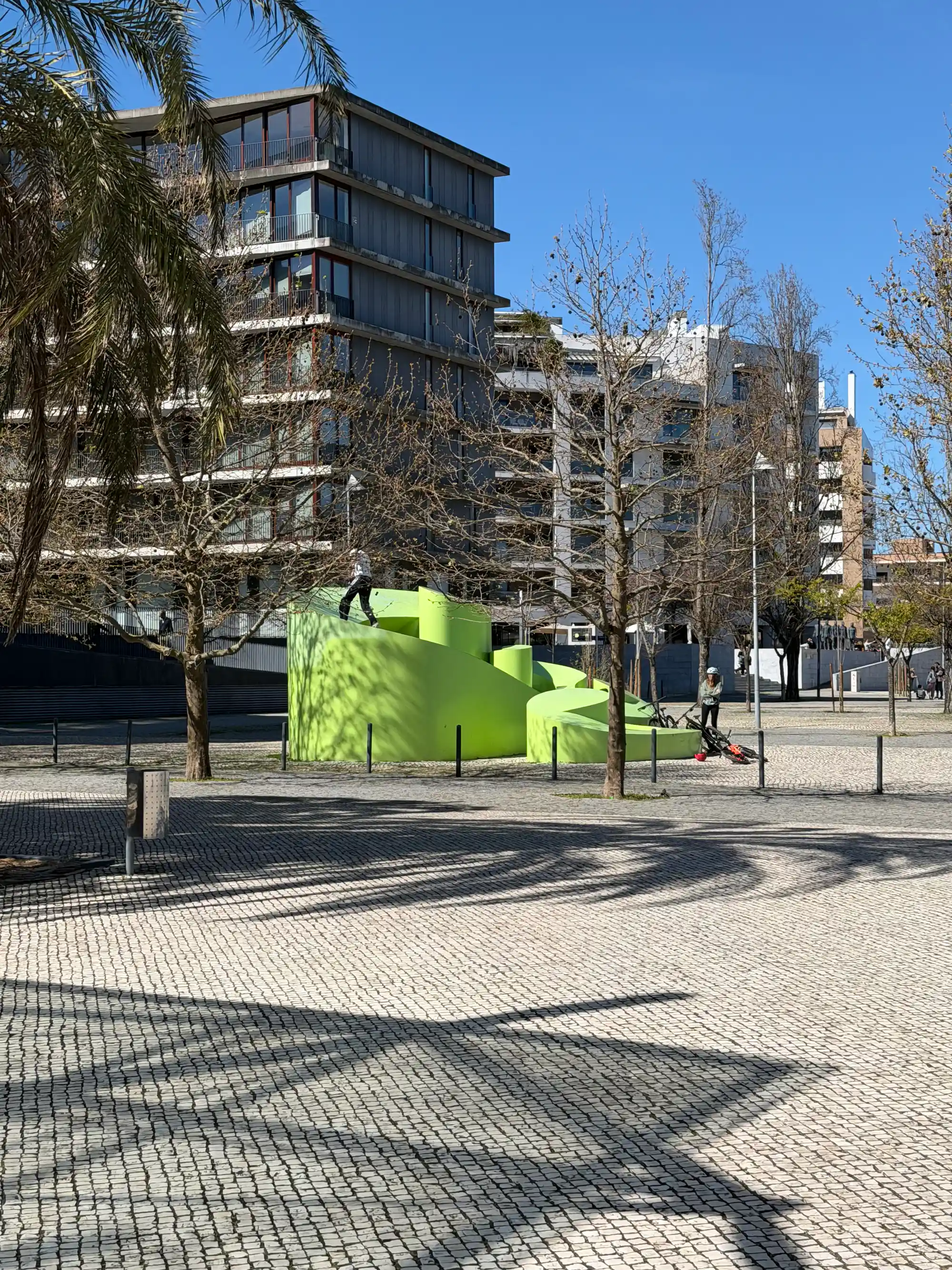

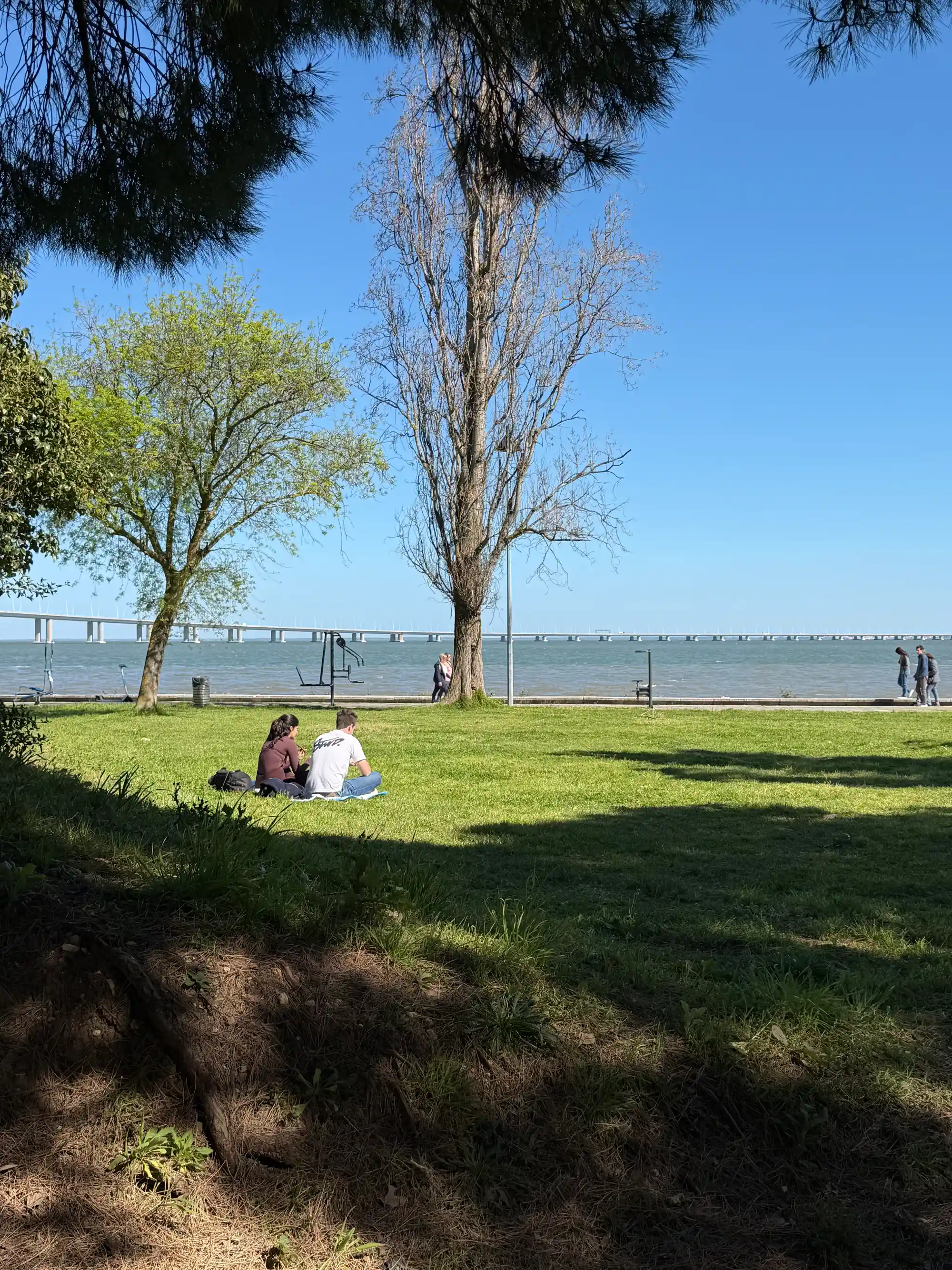
Built for Expo 98, the district replaces Lisbon’s traditional street fabric with contemporary blocks, towers and large civic spaces. Wide avenues, modern buildings and a continuous riverside promenade…
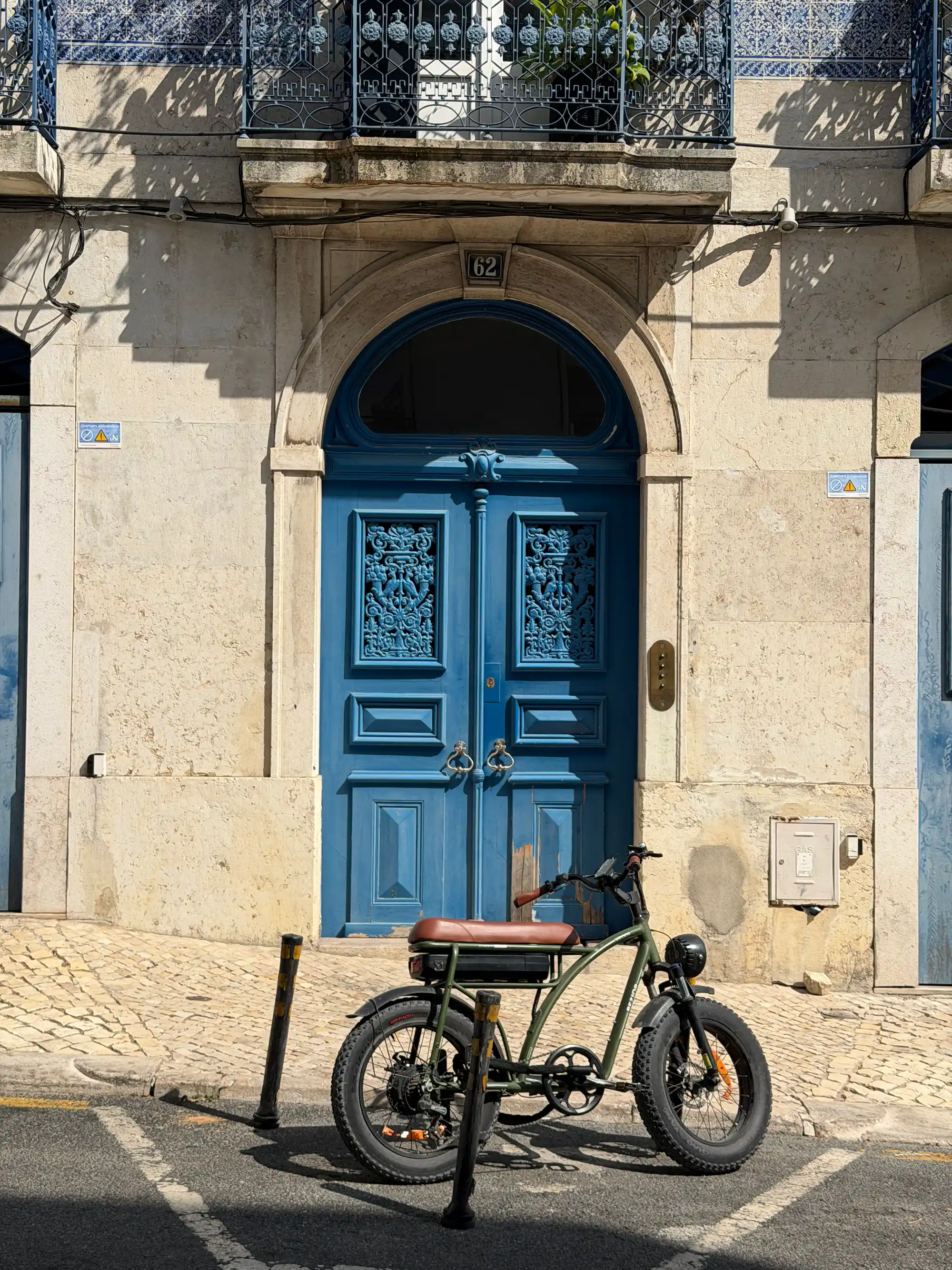

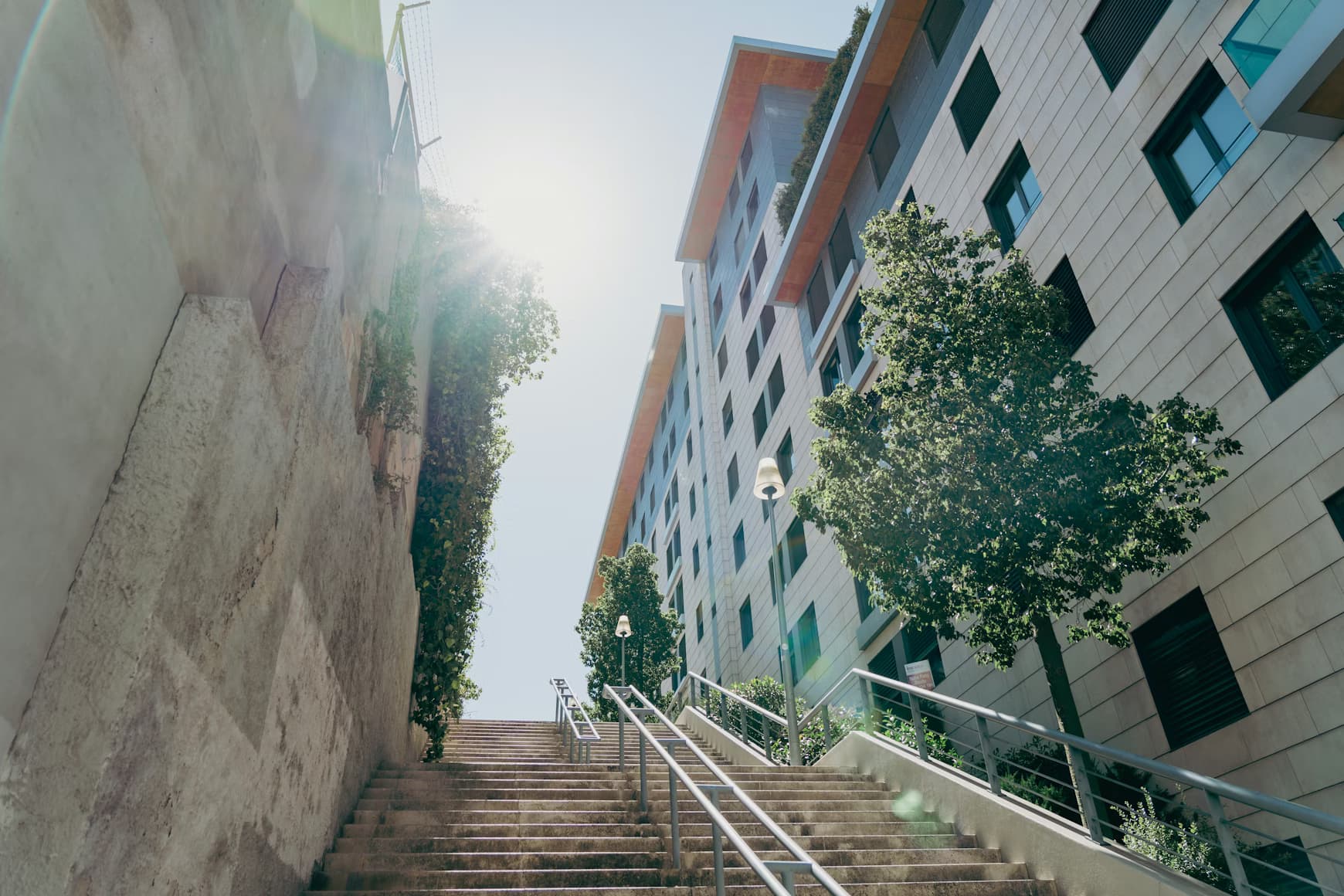


Jardim da Estrela gives the surrounding streets a strong civic and everyday focus, linking public space with the area’s older built fabric. Irregular streets, apartment buildings, embassies and instit…
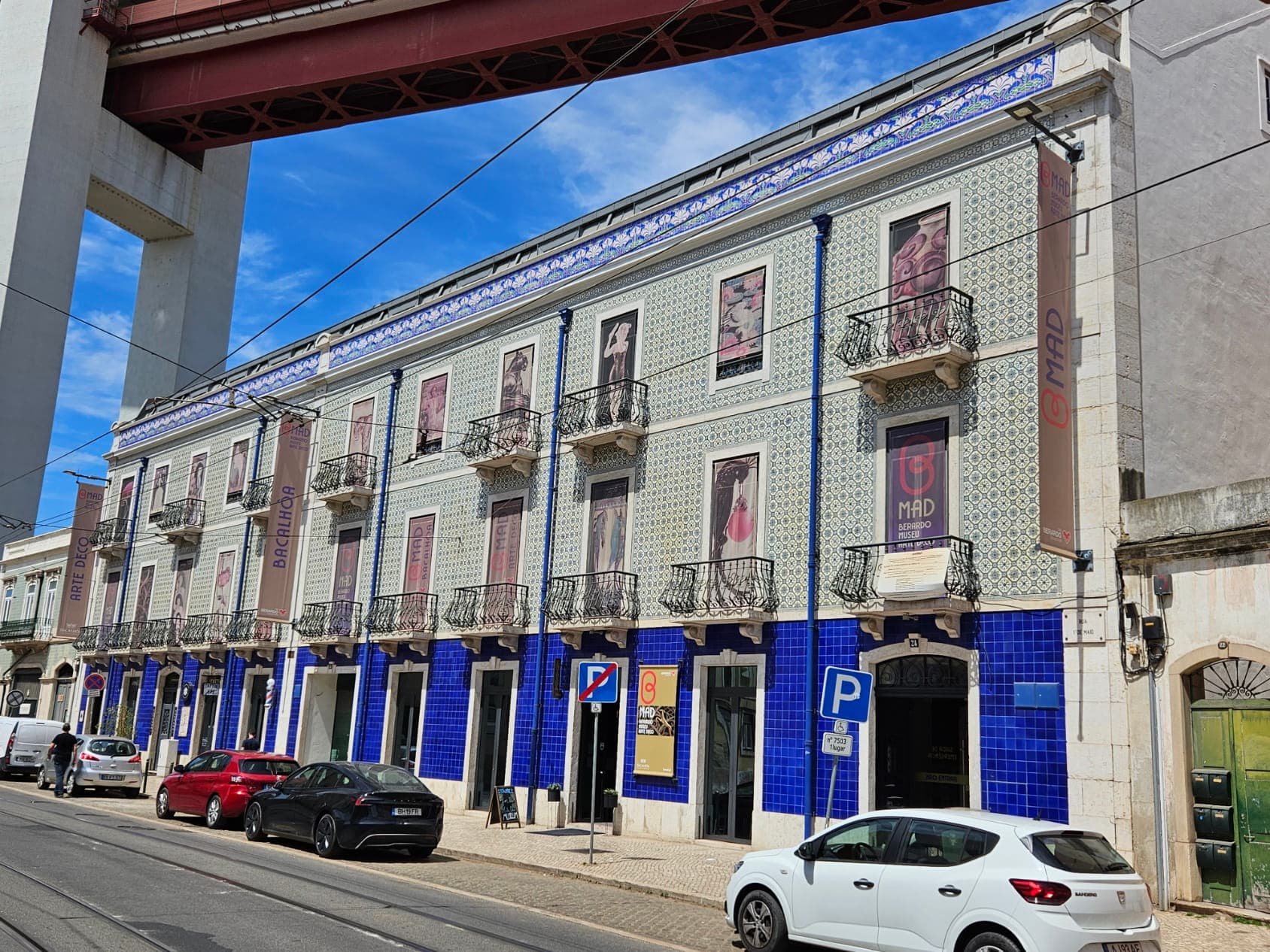
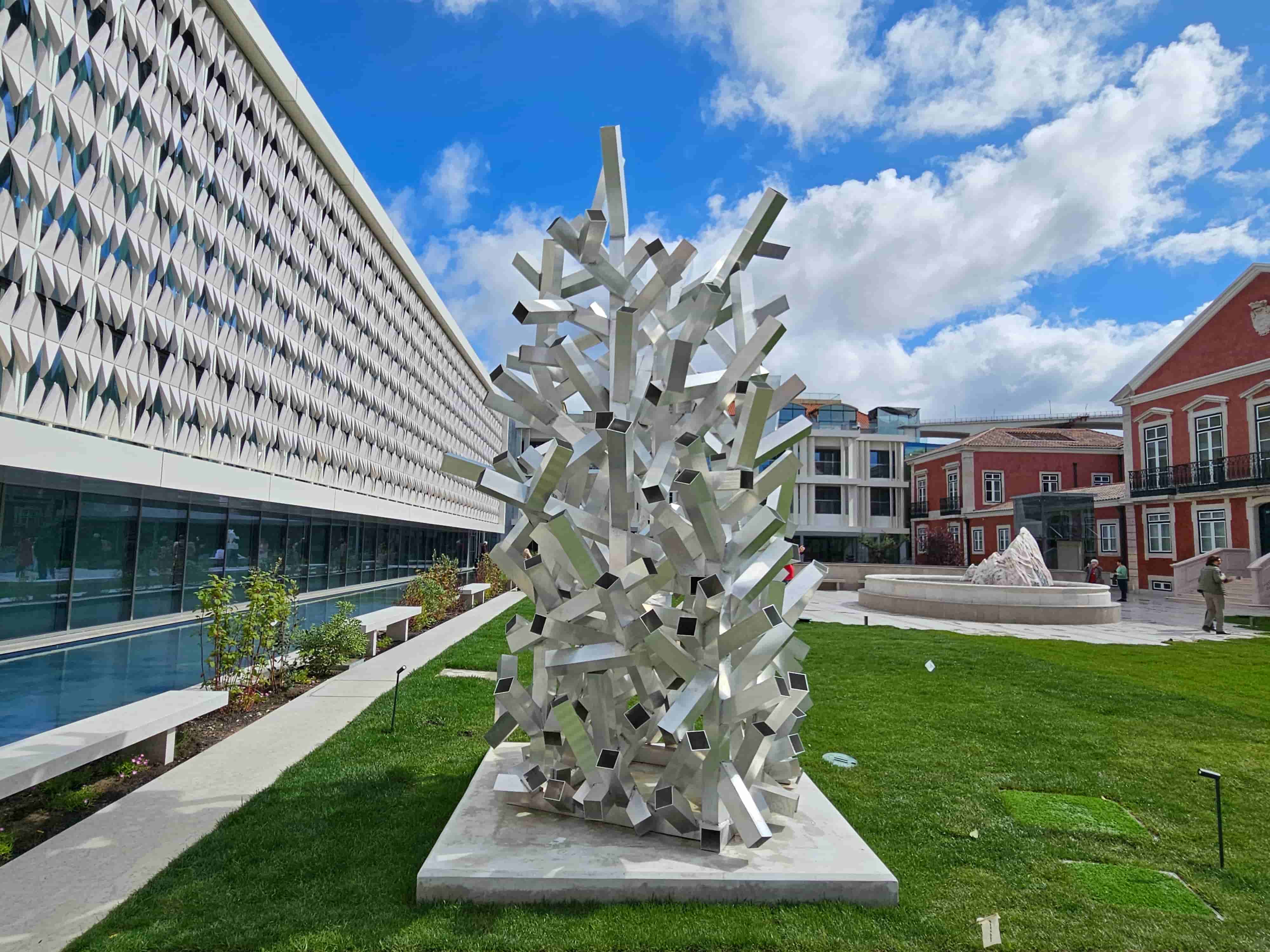
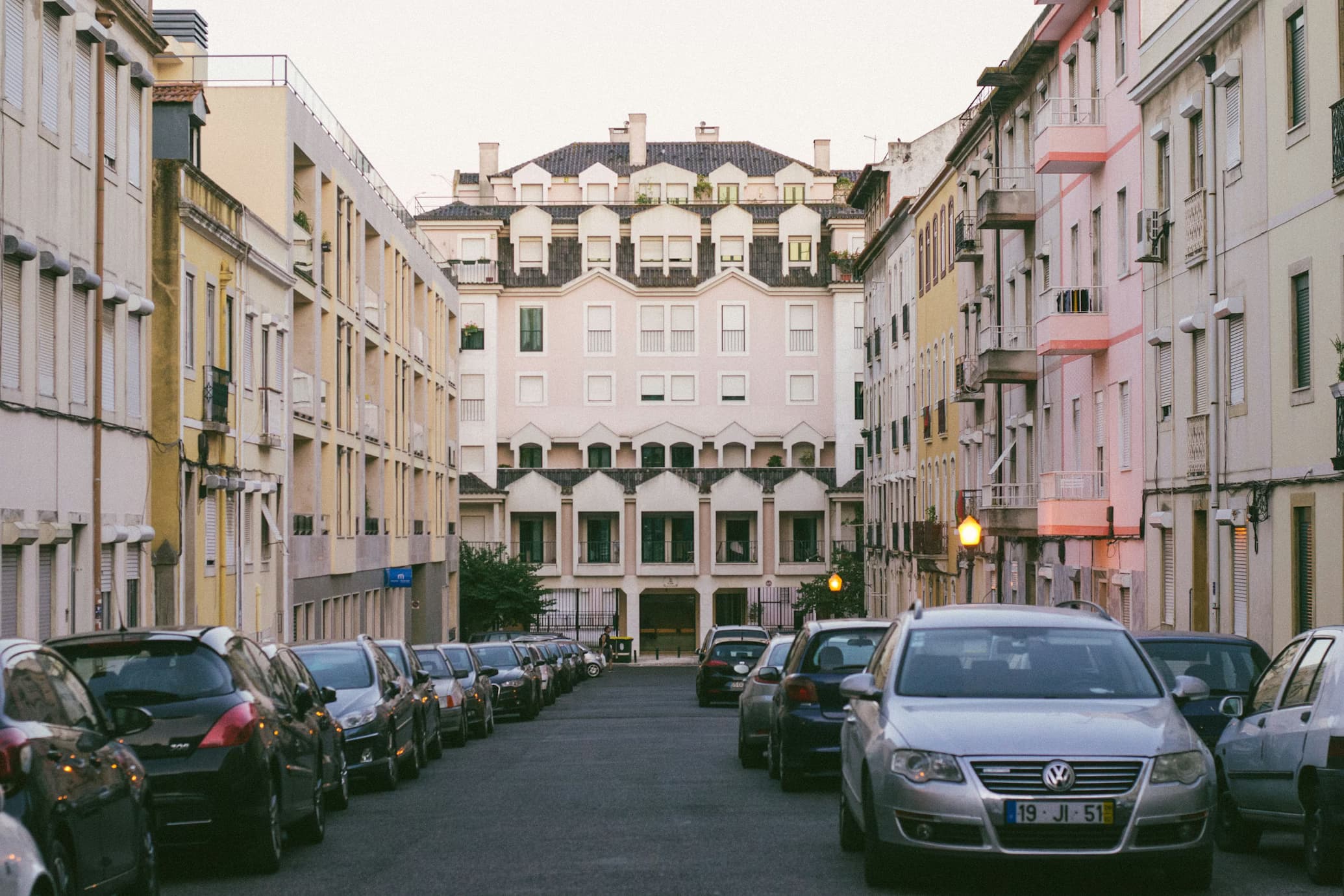
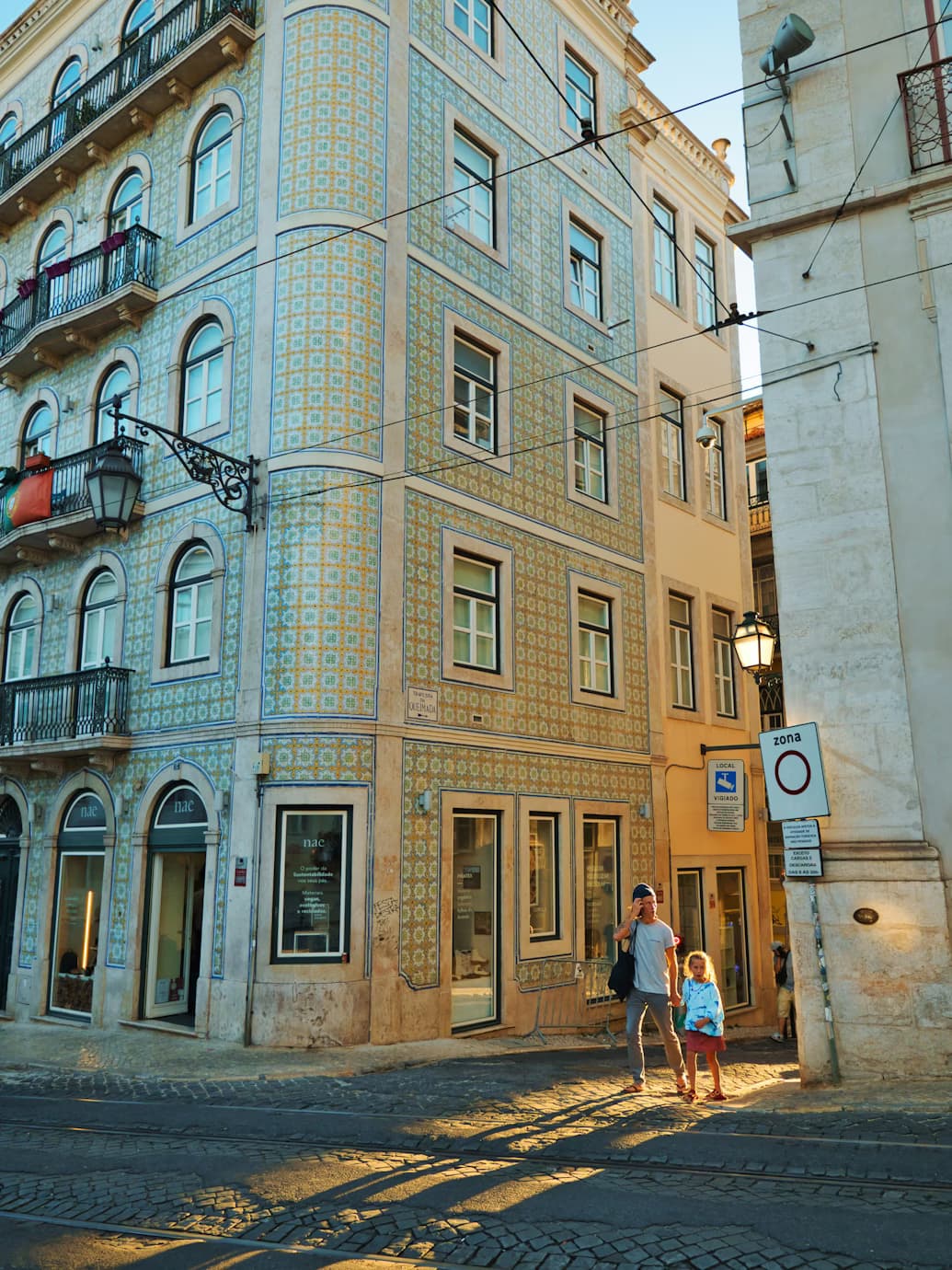
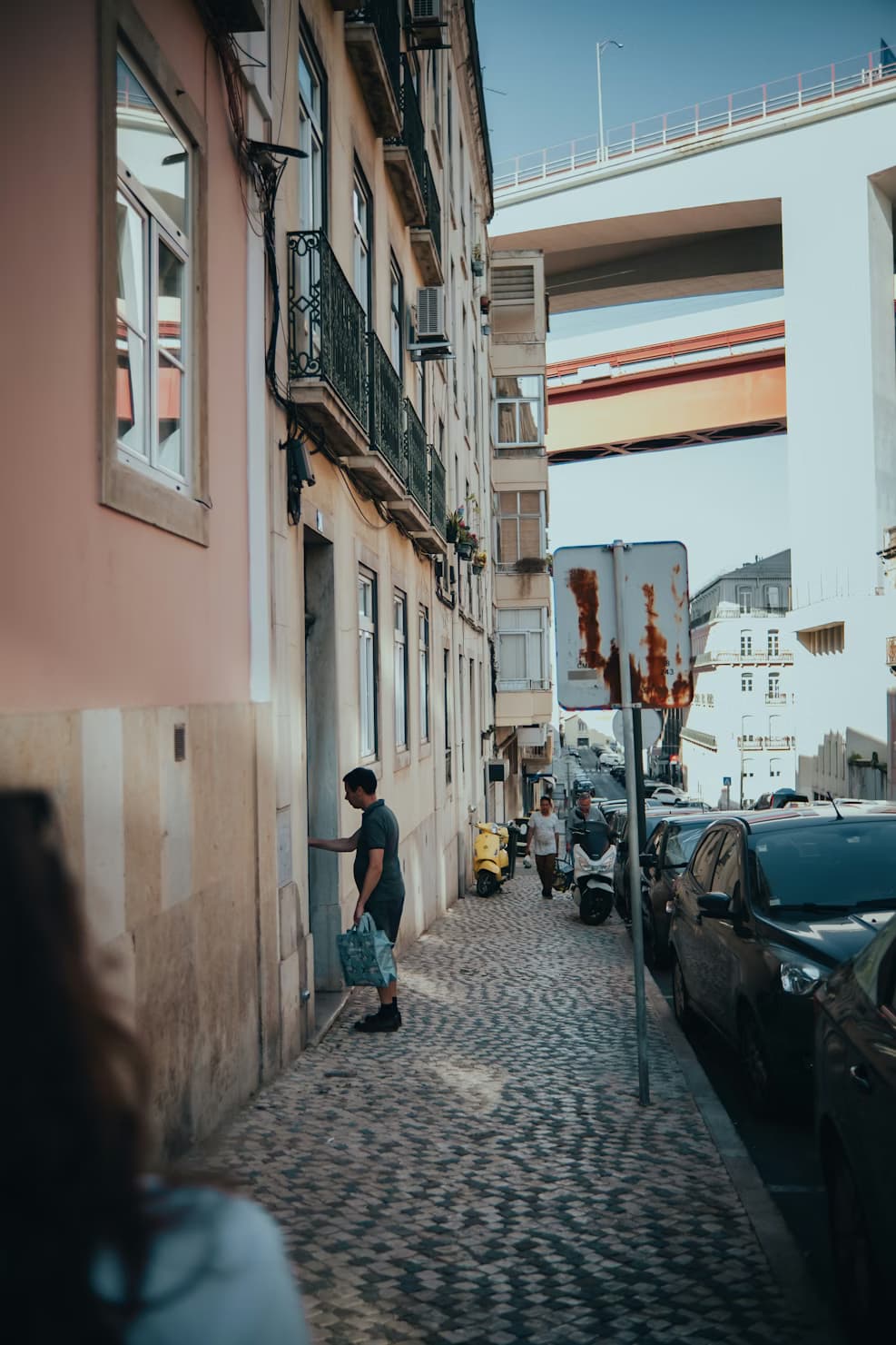
Former warehouses, port infrastructure and hillside housing give the area an unusually layered urban fabric. The lower riverside zone retains an industrial scale, while steep, irregular streets above…
.jpg&w=3840&q=75)
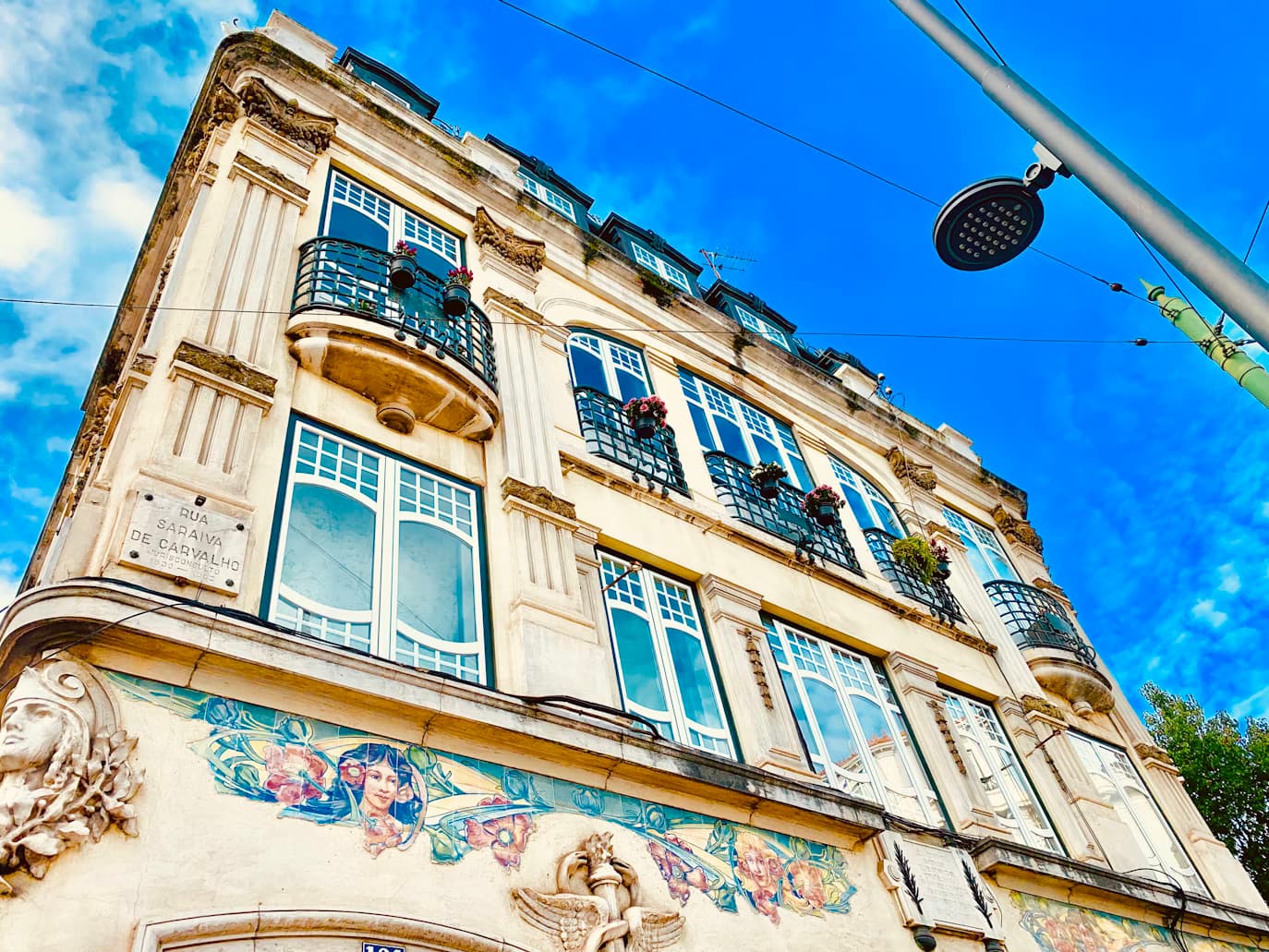
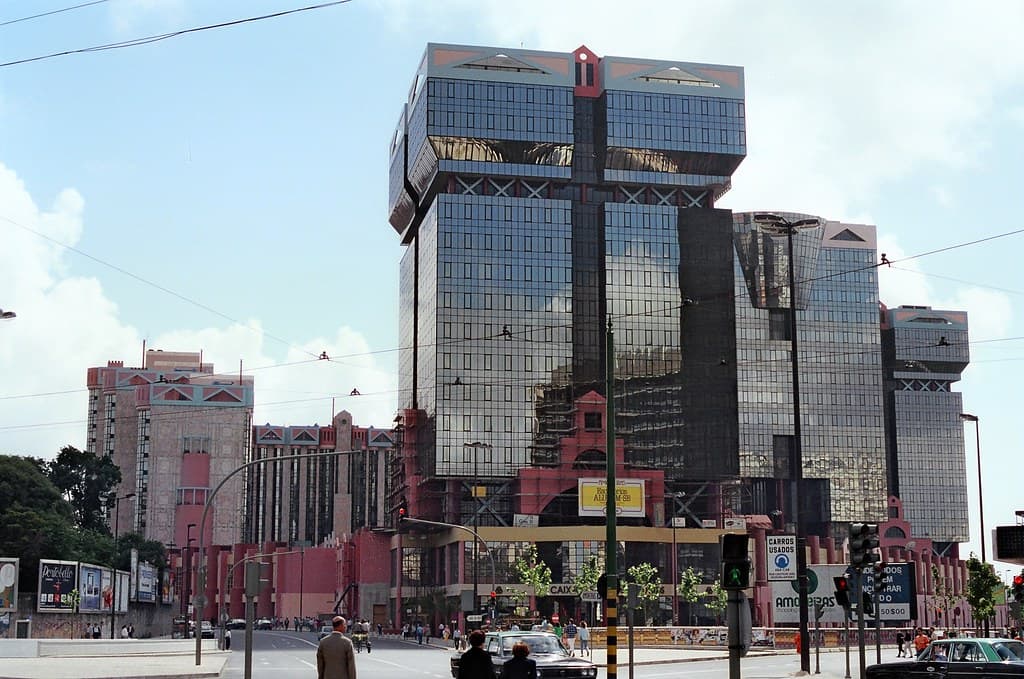
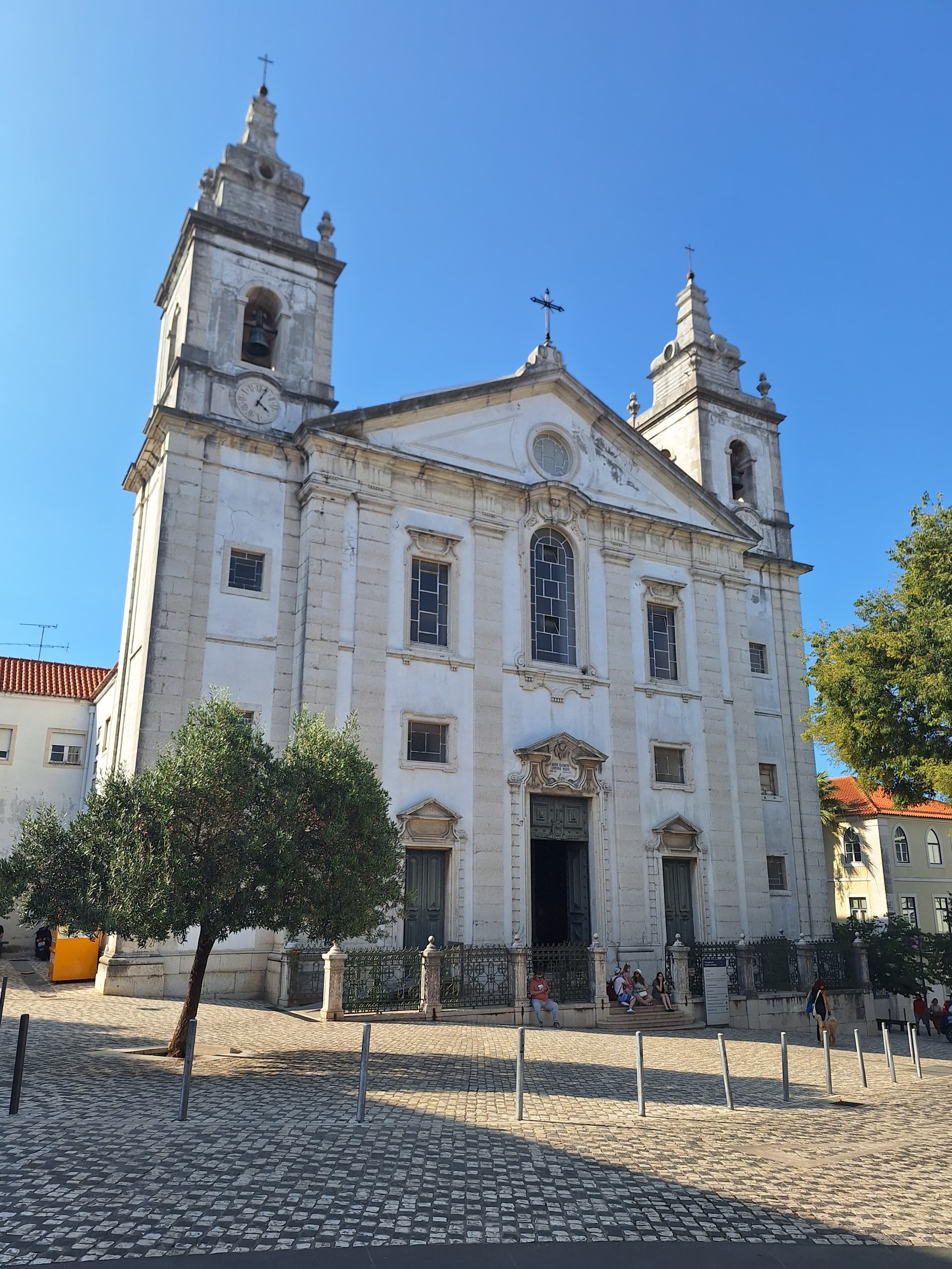
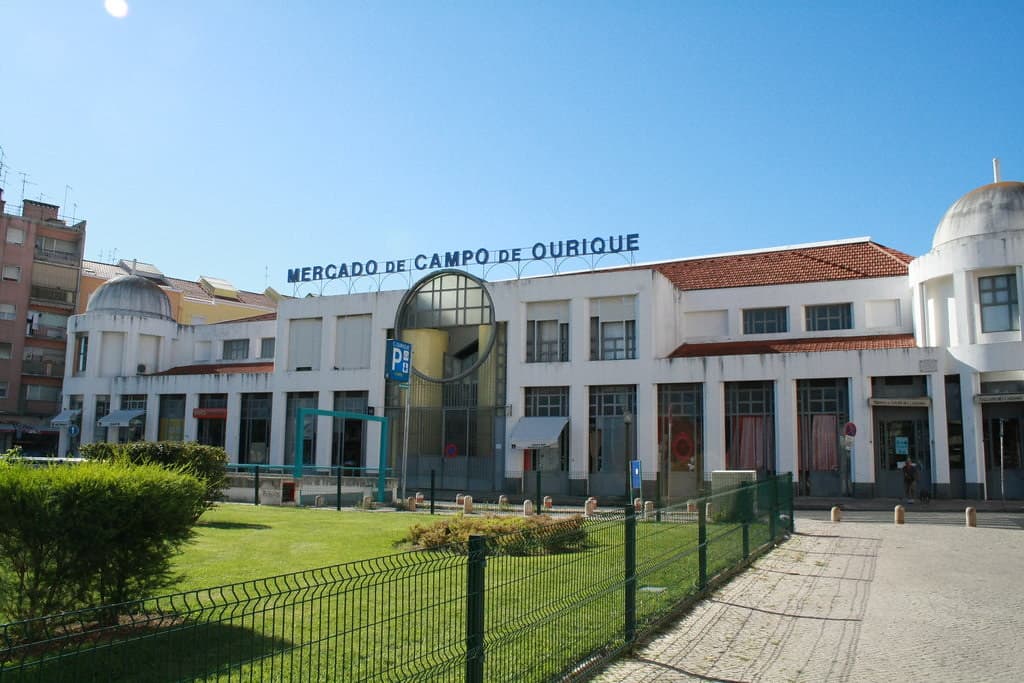
A regular late nineteenth- and early twentieth-century street grid gives Campo de Ourique a markedly different structure from Lisbon’s older quarters. Mid-rise blocks with active ground floors frame c…


Created during Lisbon’s late nineteenth- and twentieth-century expansion, the area is defined by wide avenues, planned blocks and a larger building scale. Apartment buildings and offices sit side by s…


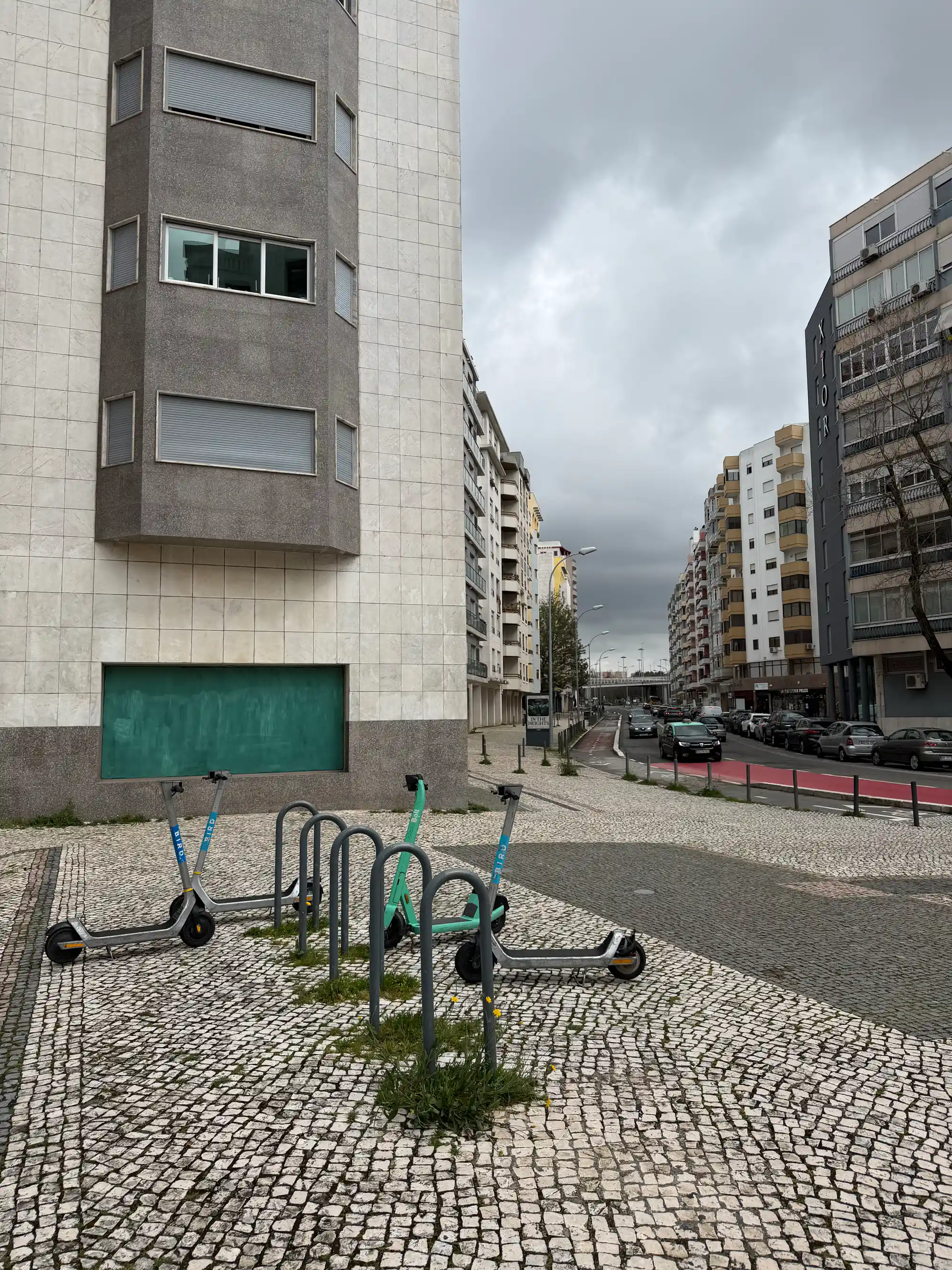
An older urban core survives alongside the much larger housing expansions that transformed Benfica during the twentieth century. Mid-rise blocks, planned estates and traditional street fragments creat…


Late nineteenth- and early twentieth-century apartment buildings form a dense patchwork around Anjos, Intendente and Alameda. Narrow streets and ground-floor businesses create intimate street fronts,…
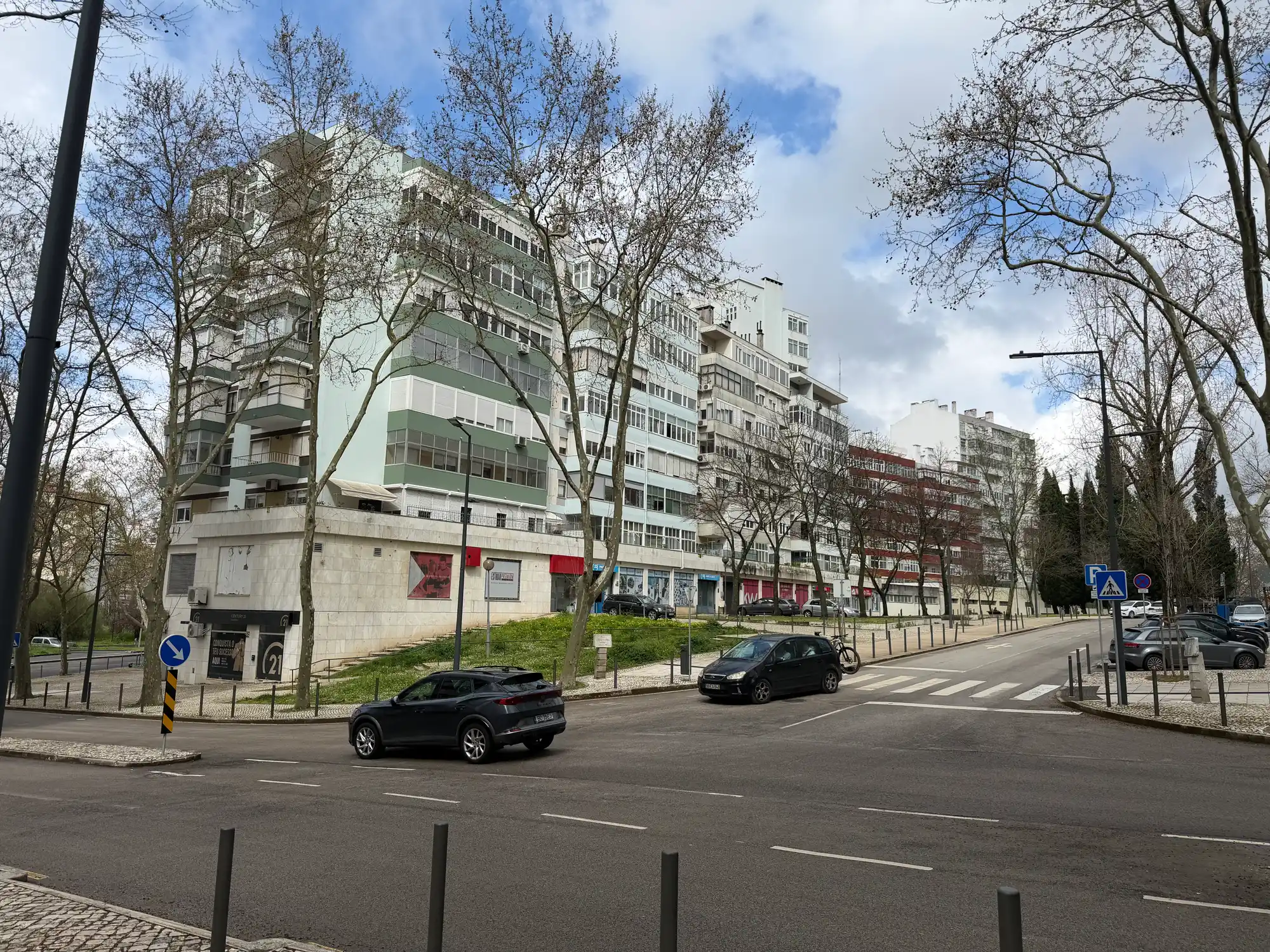


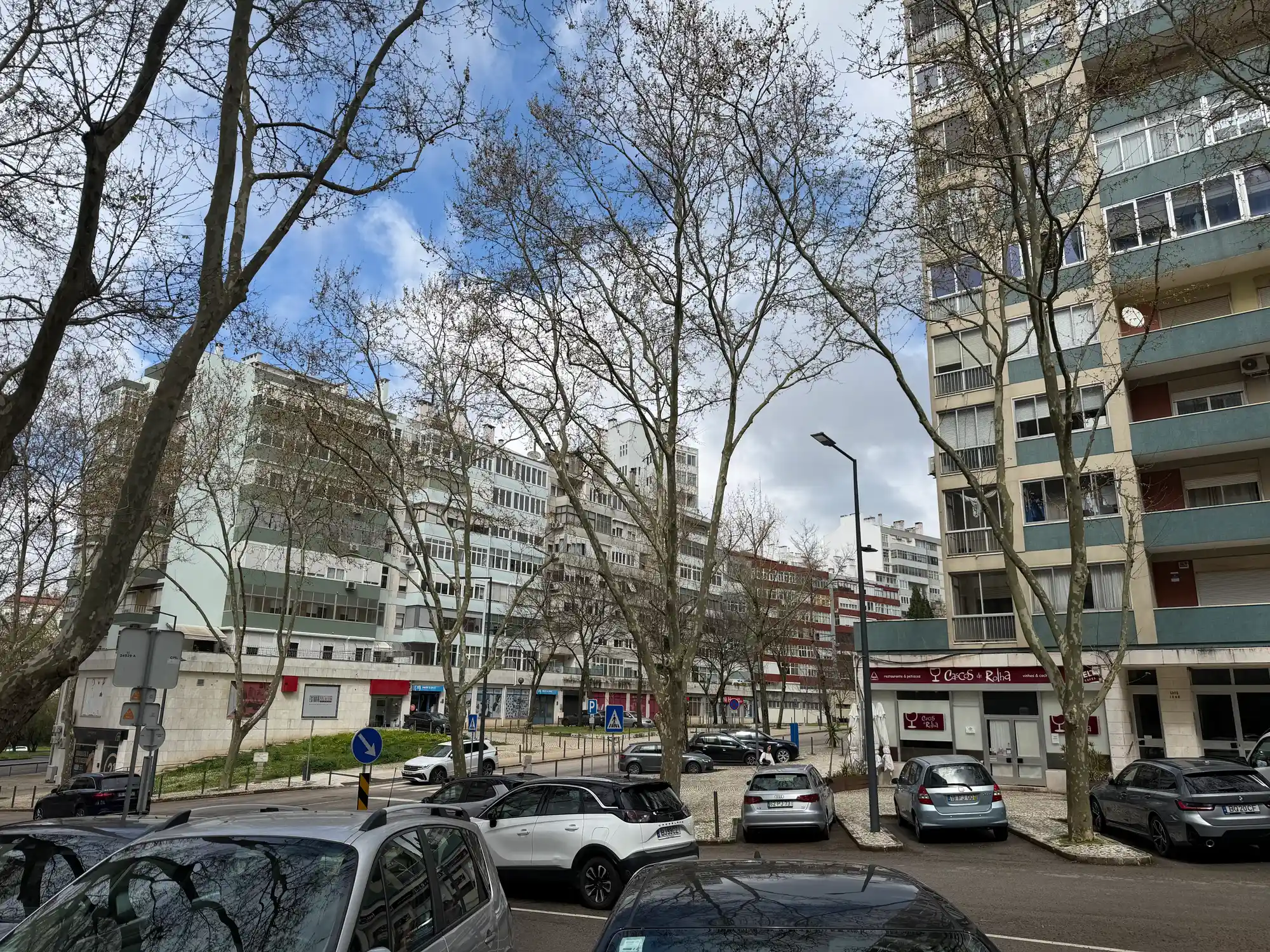
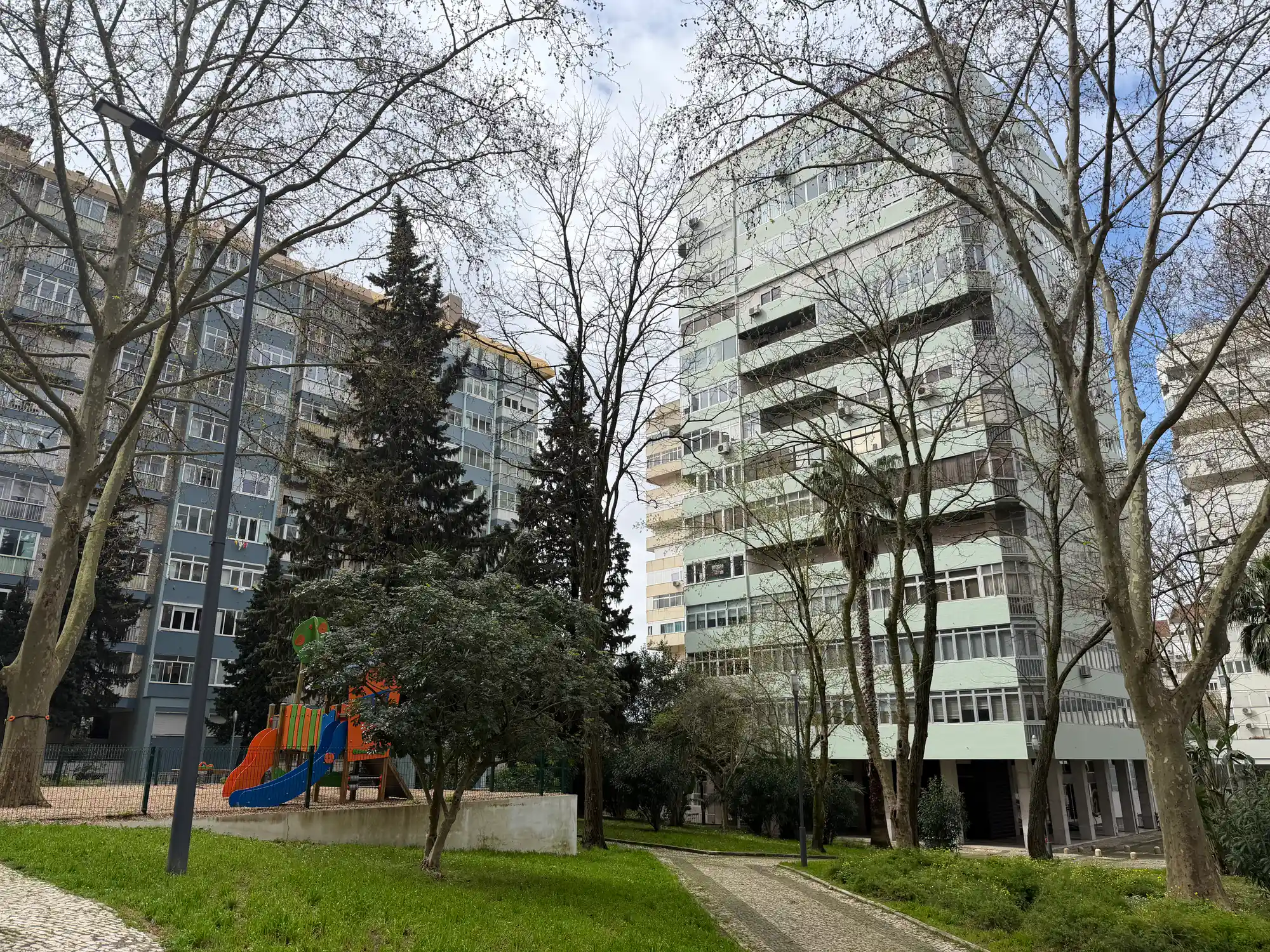
Twentieth-century growth produced a mixed fabric of mid- and high-rise apartment buildings set among large institutional grounds. Hospitals, civic complexes and open green spaces interrupt the housing…
A compact older core and large late twentieth-century developments coexist within Carnide’s sharply contrasting urban fabric. Low-rise traditional streets give way to wide avenues, apartment complexes…


Sloping terrain and large infrastructure works have shaped Campolide more visibly than a single architectural style. Twentieth-century apartment buildings and older street fragments are divided by via…
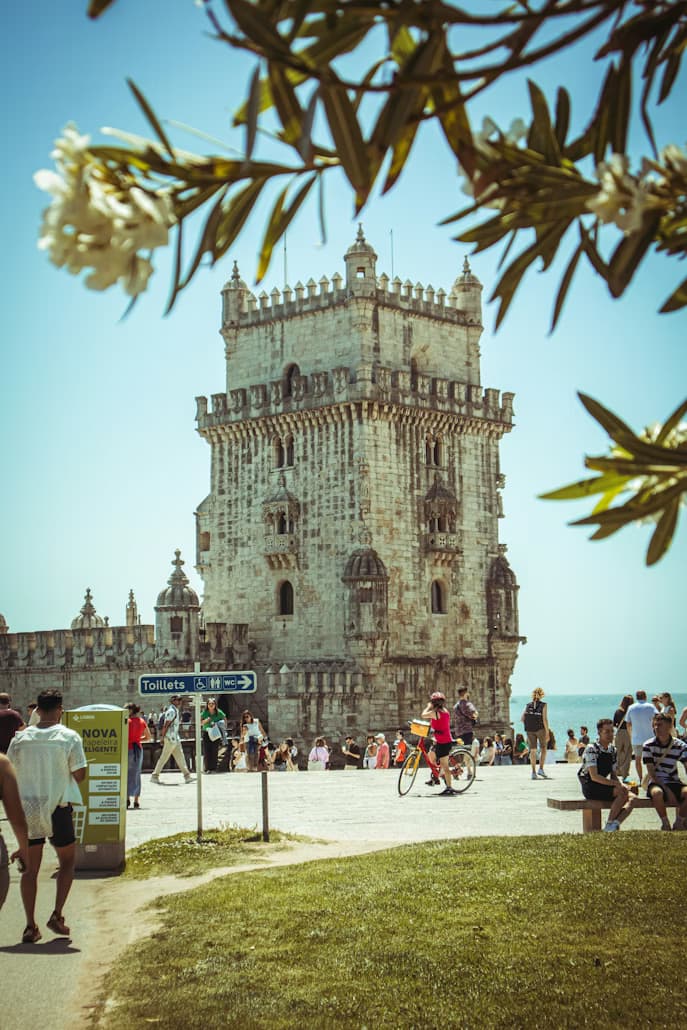

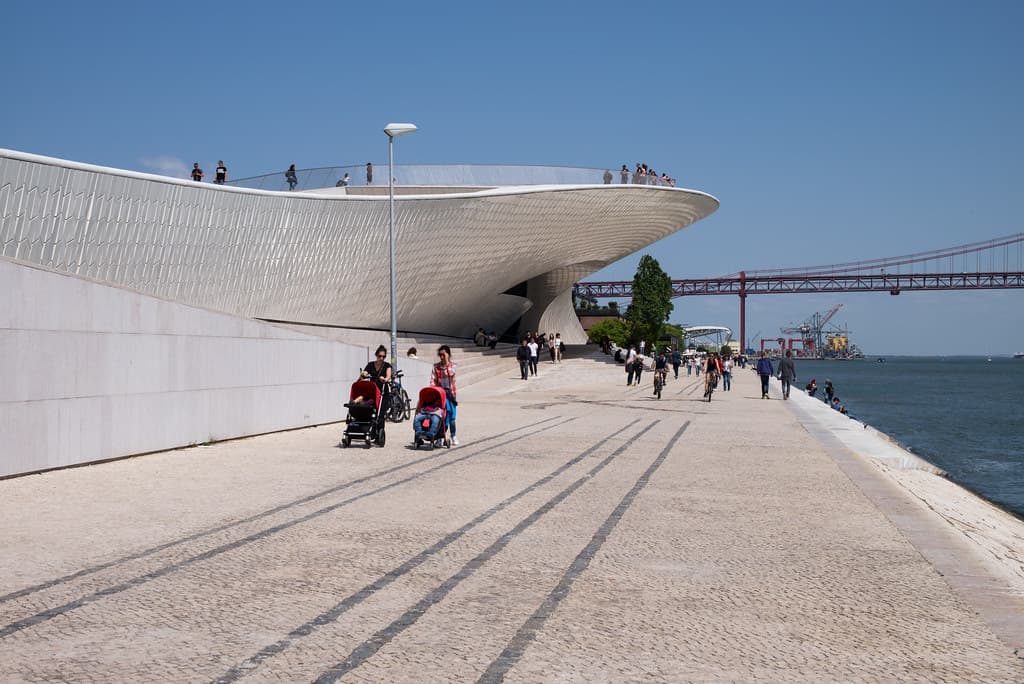
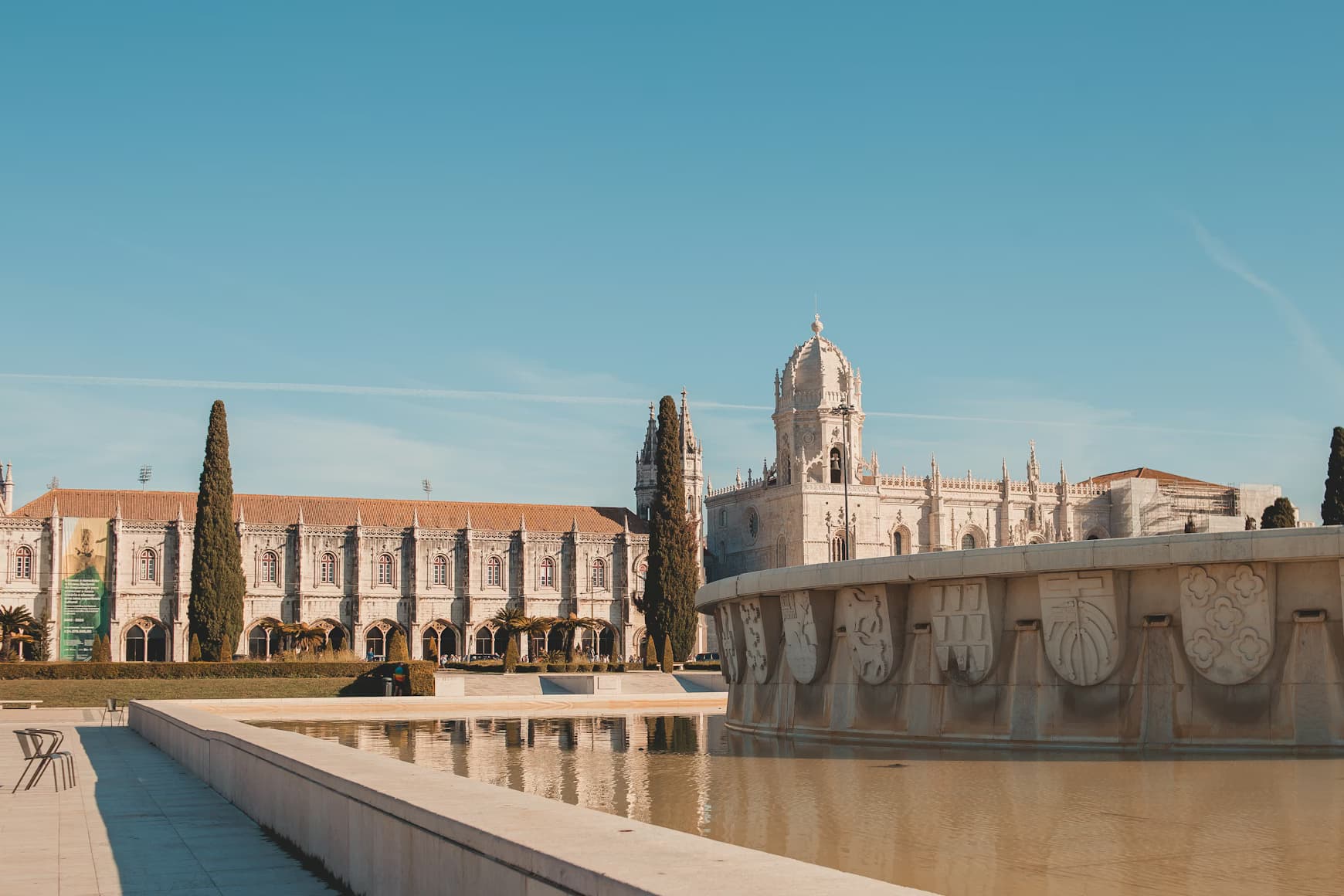
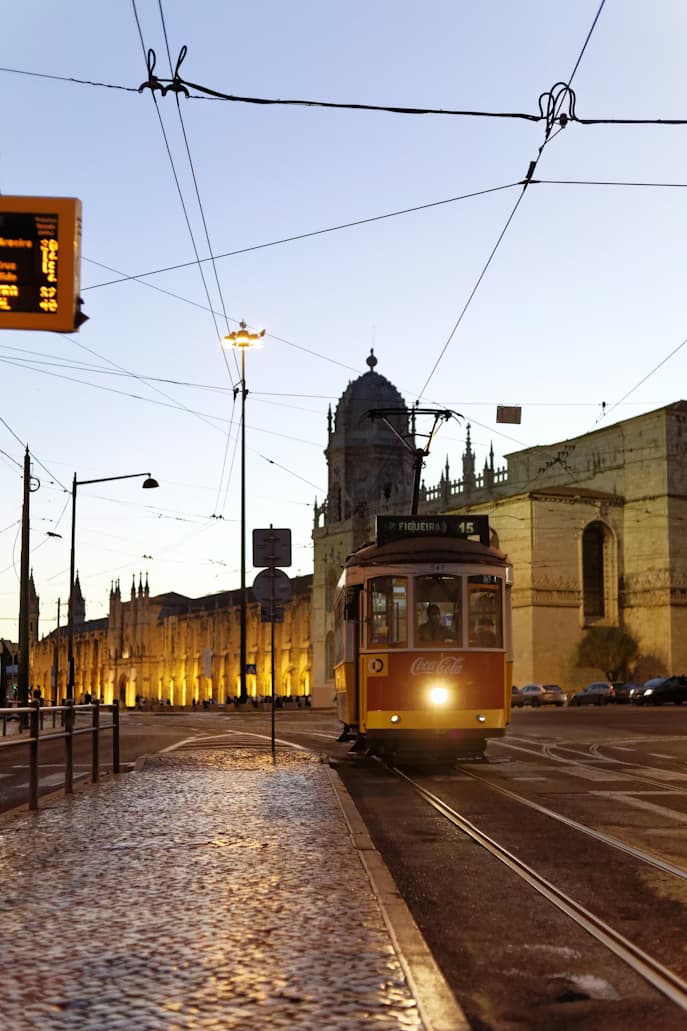
Portugal’s maritime past is embedded in a monumental landscape of museums, formal gardens and civic buildings. Large riverside spaces and pedestrian promenades contrast with the lower-scale streets in…


Praça de Londres and Avenida de Roma anchor a twentieth-century ensemble of broad avenues and mid-rise apartment blocks. Ground-floor shops and services animate the formal street plan, while the consi…
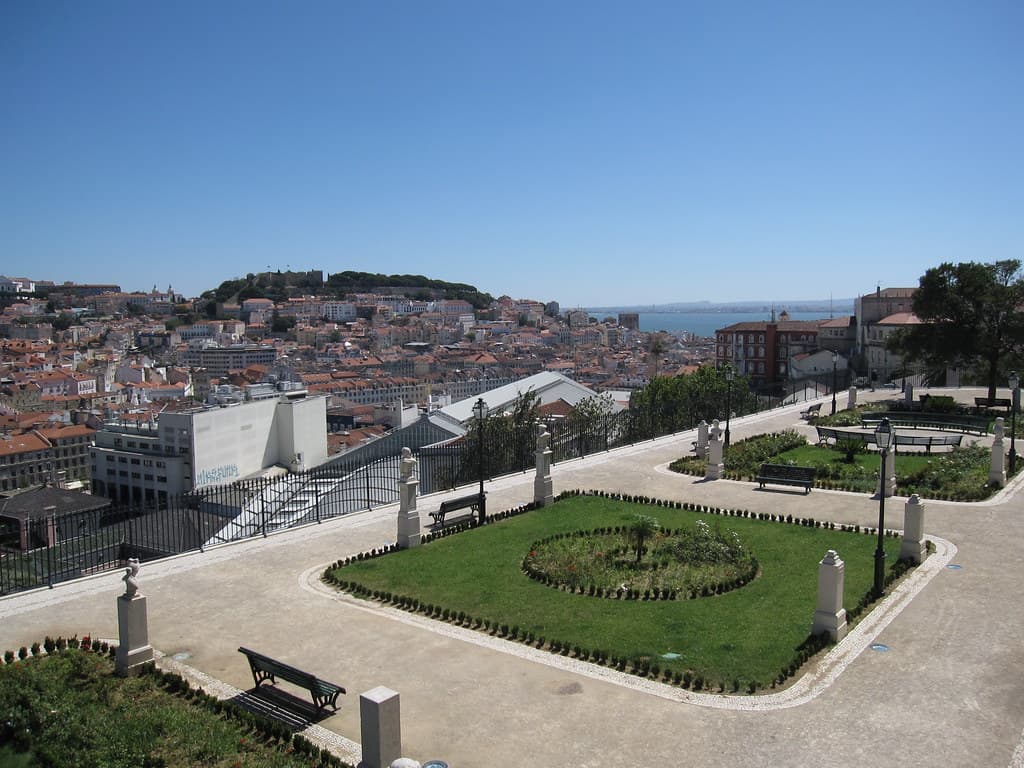

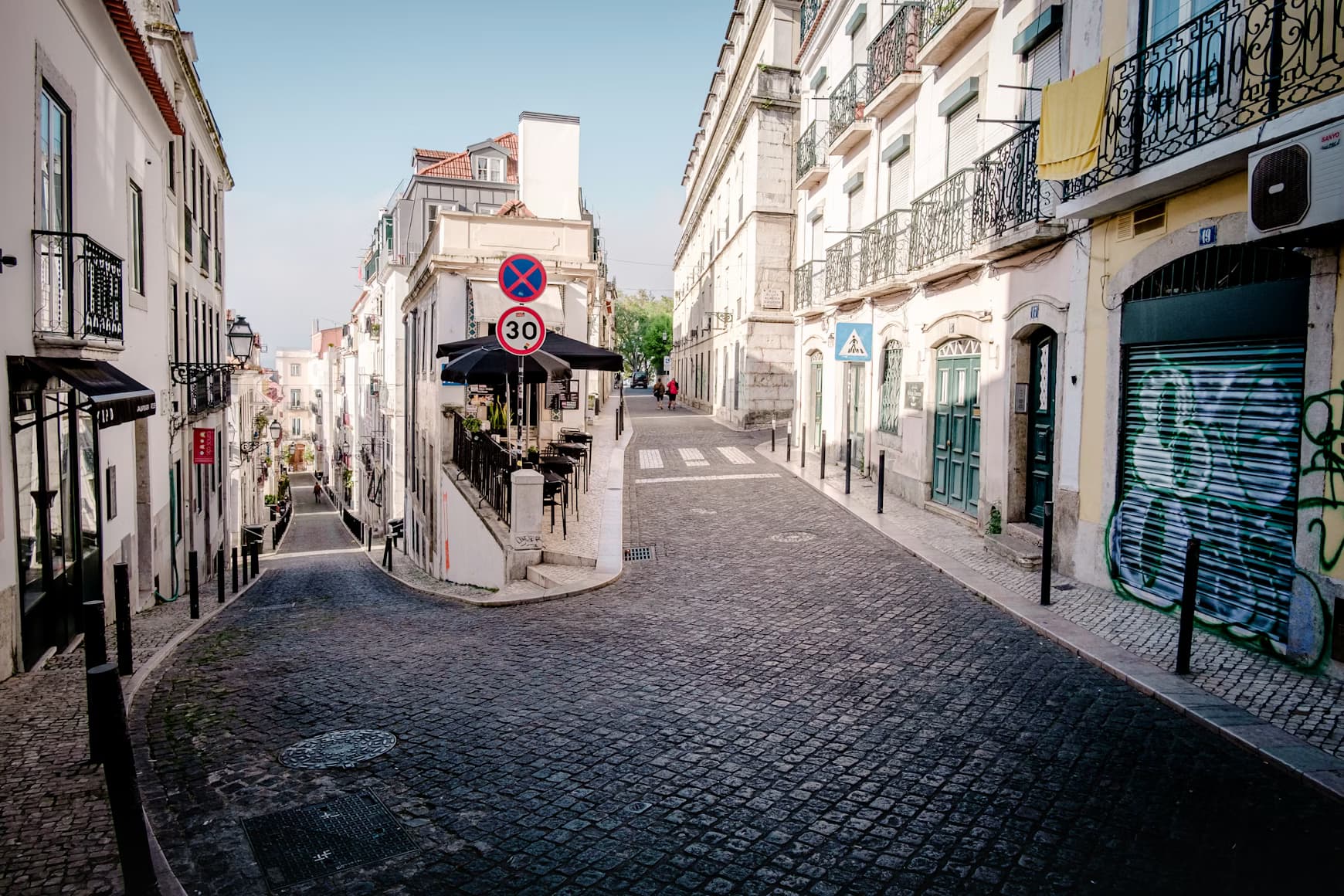


Bairro Alto, Bica and Cais do Sodré form a tightly woven fabric of steep lanes, small plots and buildings that largely predate the twentieth century. Abrupt level changes and limited open space compre…
Steep slopes shape a close-grained network of narrow streets, stairways and small squares around Graça and the adjoining Alfama streets. Older buildings follow the terrain in irregular layers, opening…
Apartment buildings follow Penha de França’s uneven terrain rather than a uniform grid, producing irregular streets and frequent changes in level. Mid-rise blocks with active ground floors frame a com…

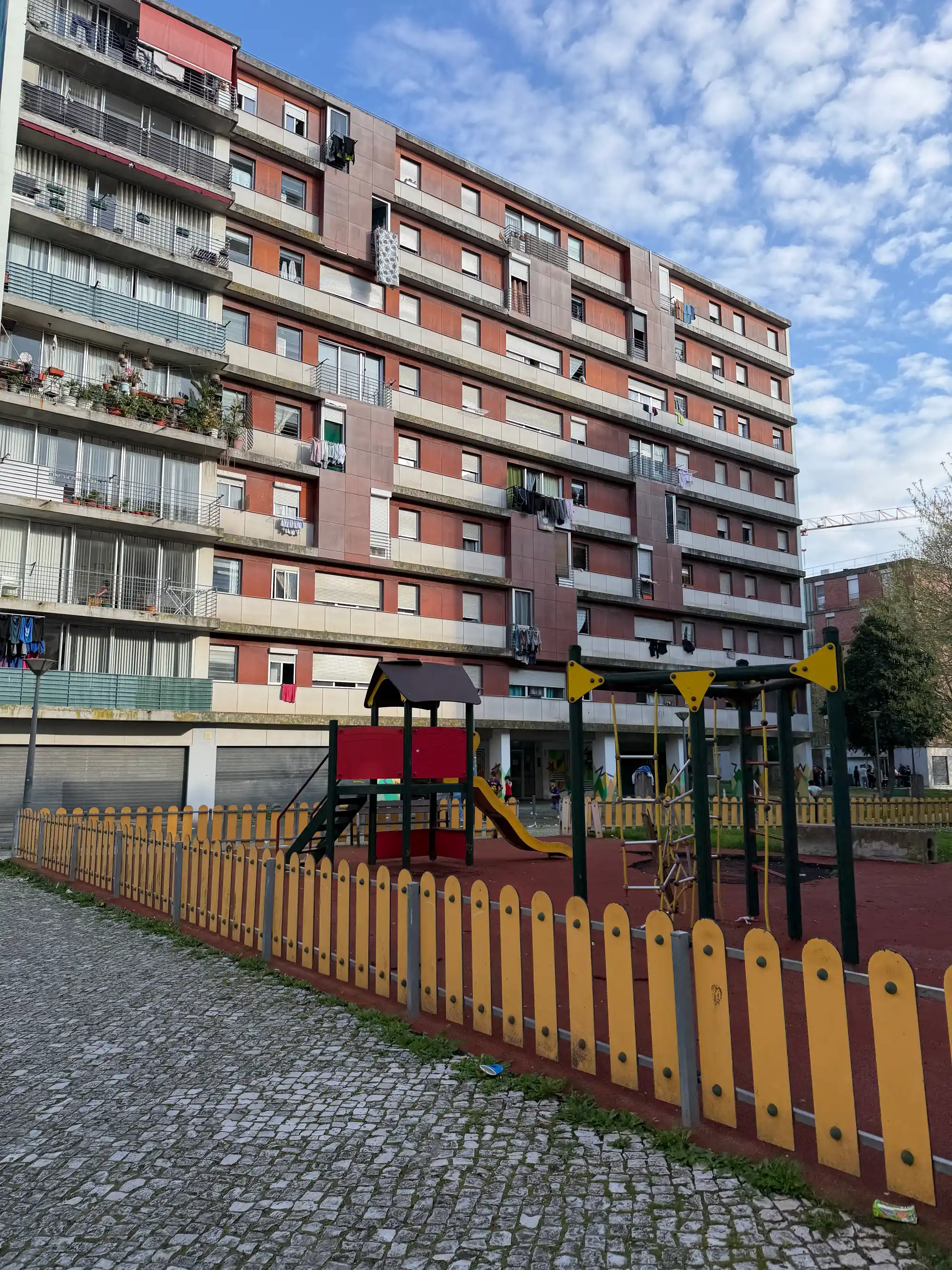


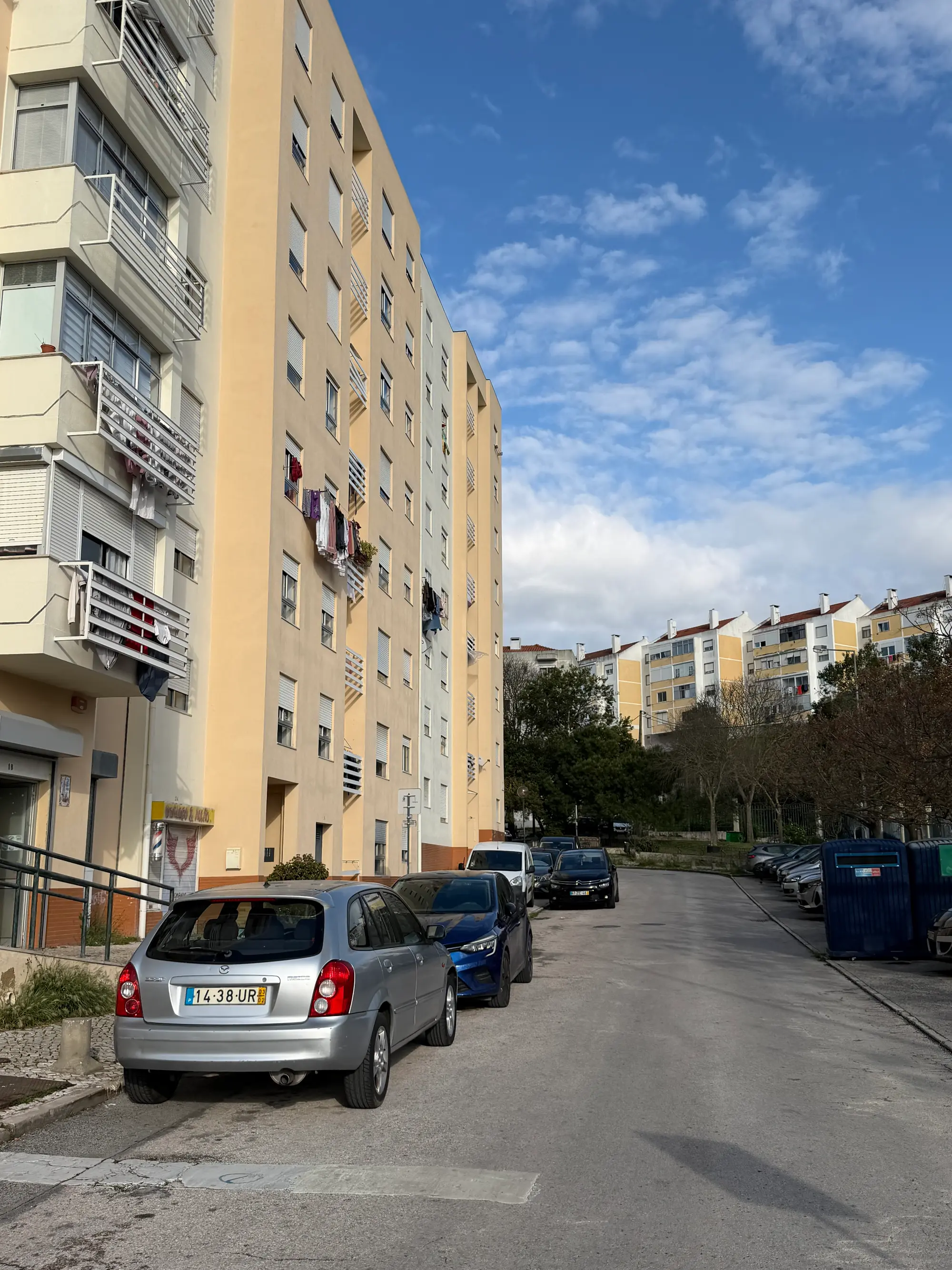
Fragments of older low-rise fabric sit beside the large planned developments that accompanied Lisbon’s outward expansion in the late twentieth century. Apartment complexes and broad streets are inters…
Planned in the mid-twentieth century, broad avenues and mid-rise blocks form a coherent Lisbon urban ensemble. Street-level shops, small squares and mature trees soften the orderly grid and give the a…
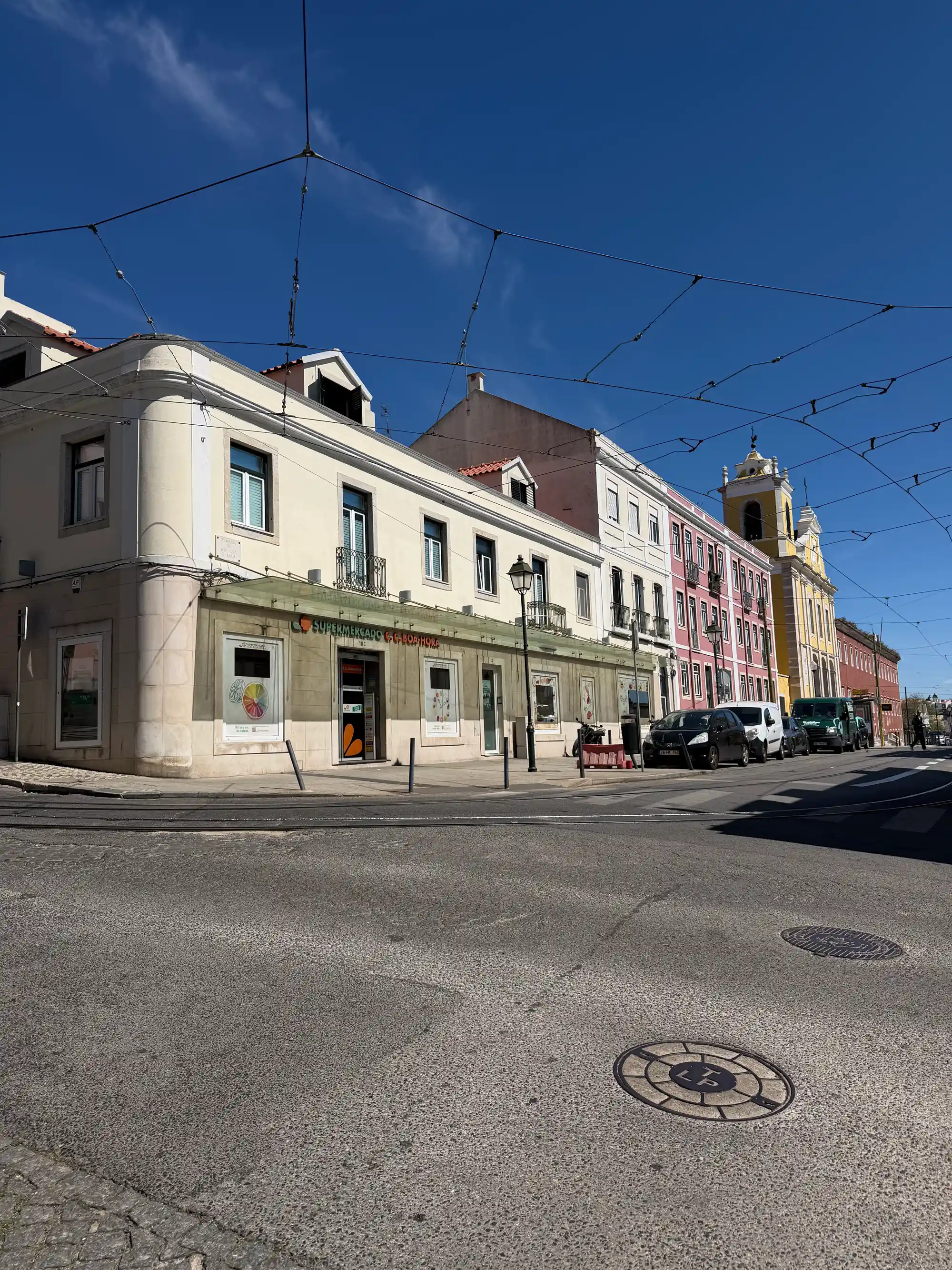
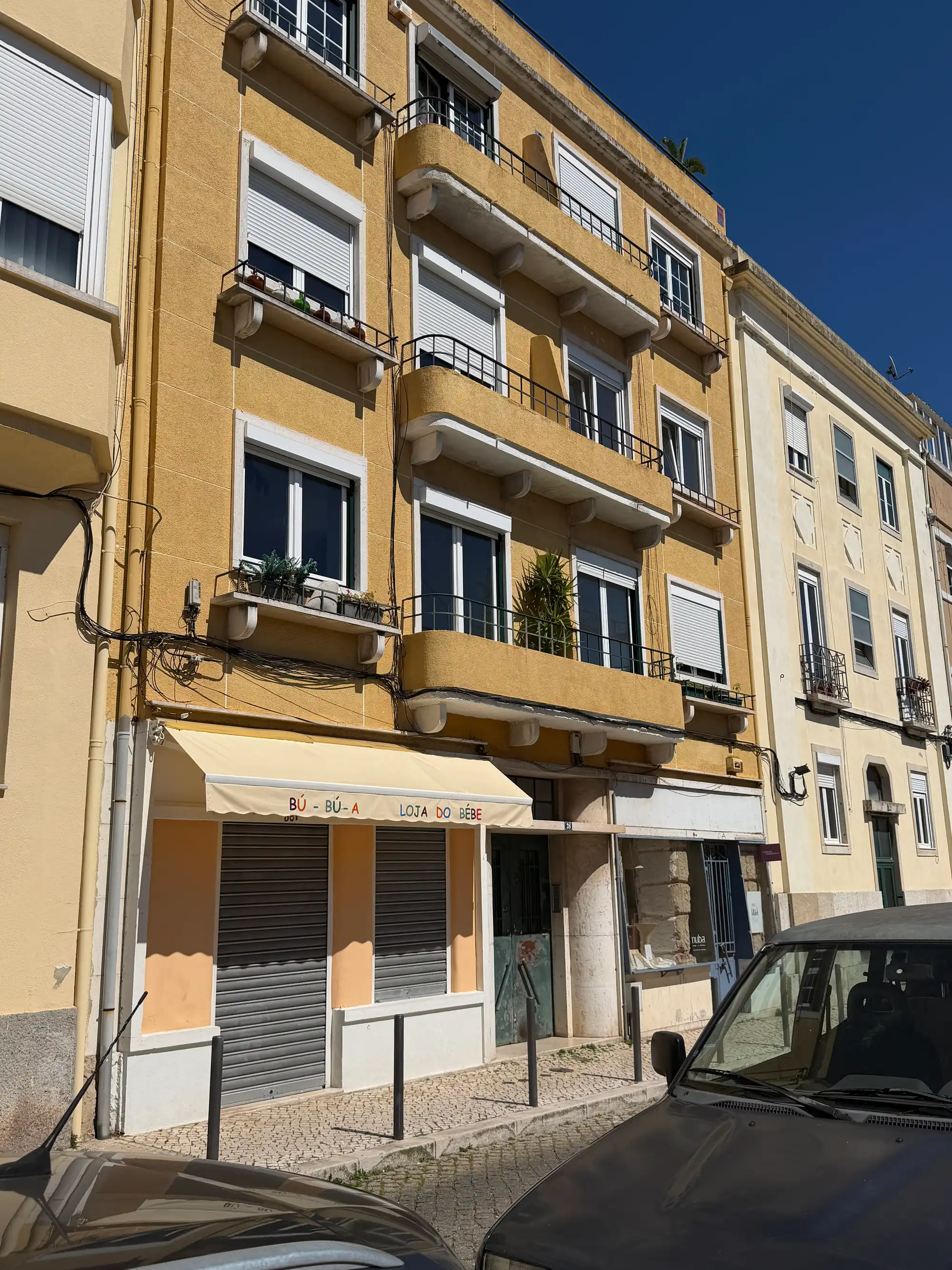
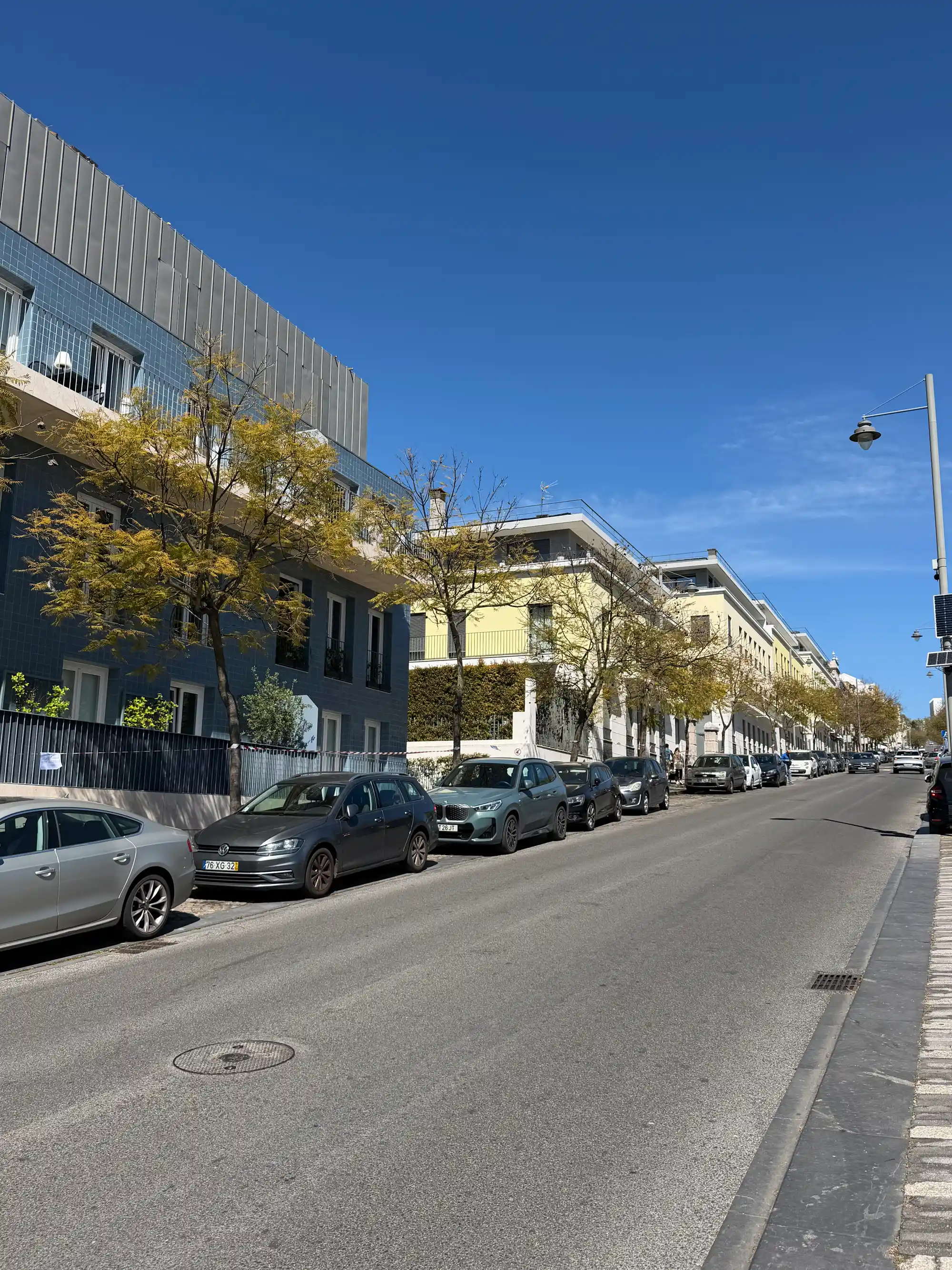
An old urban core brings narrow, sloping streets together with twentieth-century housing and large civic institutions. Low- and mid-rise buildings share the urban fabric with university facilities and…
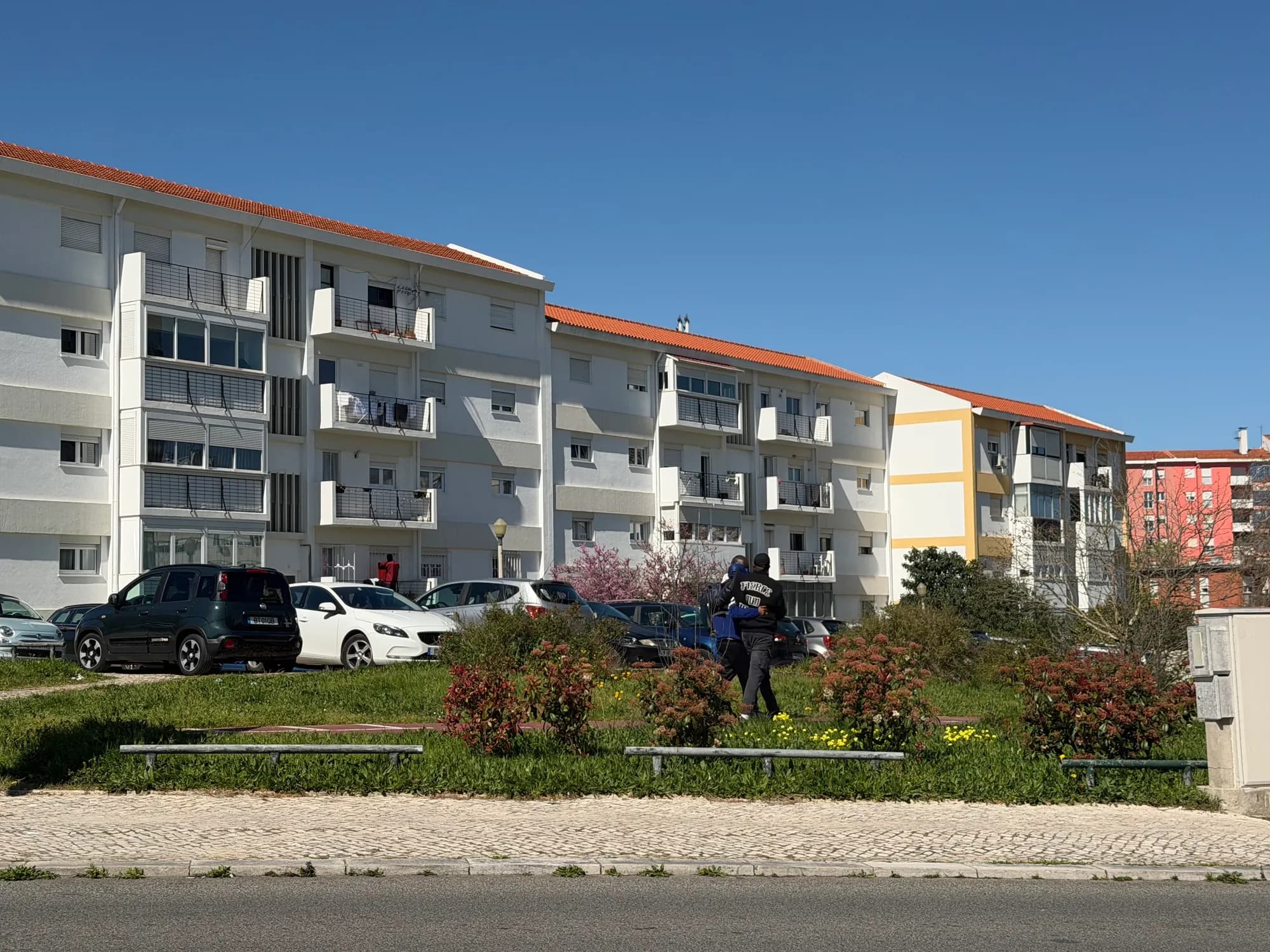


Mid-century planning shaped Olivais around freestanding apartment blocks, generous open space and a clear separation between buildings and streets. Later housing areas added different scales and layou…


Large industrial plots and former warehouses give Marvila a scale unlike Lisbon’s compact traditional quarters. New housing and converted cultural or work spaces now sit among older production sites a…


Large planned housing estates record the late twentieth-century phase of Lisbon’s outward expansion more clearly than an inherited street pattern. Apartment complexes, social housing and broad open sp…
Avenida da Liberdade provides a formal spine for an area where nineteenth-century architecture meets later offices, hotels and civic buildings. Grand avenues and smaller adjoining streets create prono…
An industrial legacy remains visible in Beato’s warehouses, broad plots and stretches of comparatively open urban fabric. Converted workspaces and cultural venues now occupy some former production bui…
Enter an address or neighbourhood name to explore